

Subscribe
to receive news by email
Poll
Will the Trump Administration Shift U.S. Policy in Favor of Palestine?
- No (87%)
- Yes (13%)
 Loading ...
Copyright © 2026 Arab America
Go topFtat, an Ancient Libyan Flatbread
By / Contributing Writer Nourelhoda Alashlem
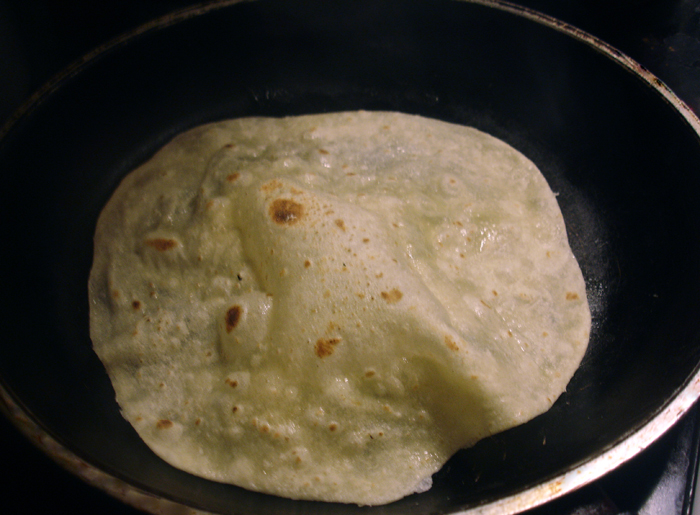
Ftat (فتات) is a traditional Amazigh flatbread originating from the western Libyan regions of Misrata and Jebel Nafusa. Known for its thin, layered preparation, the bread shows a history of grain-based food traditions that developed in agricultural communities in both regions. Despite its long history in the region, Ftat remains relatively unknown outside Libya and even in some parts within the country as well.
The bread’s name comes from the word meaning “small pieces,” referring to the way it is often torn by hand when served as part of a soaked dish. In the towns of Jebel Nafusa, Ftat is typically prepared very thin and soft, then topped with ingredients such as onions, chickpeas, lentils, potatoes, and fried peppers. These toppings are poured directly over the bread so that it absorbs the flavors.
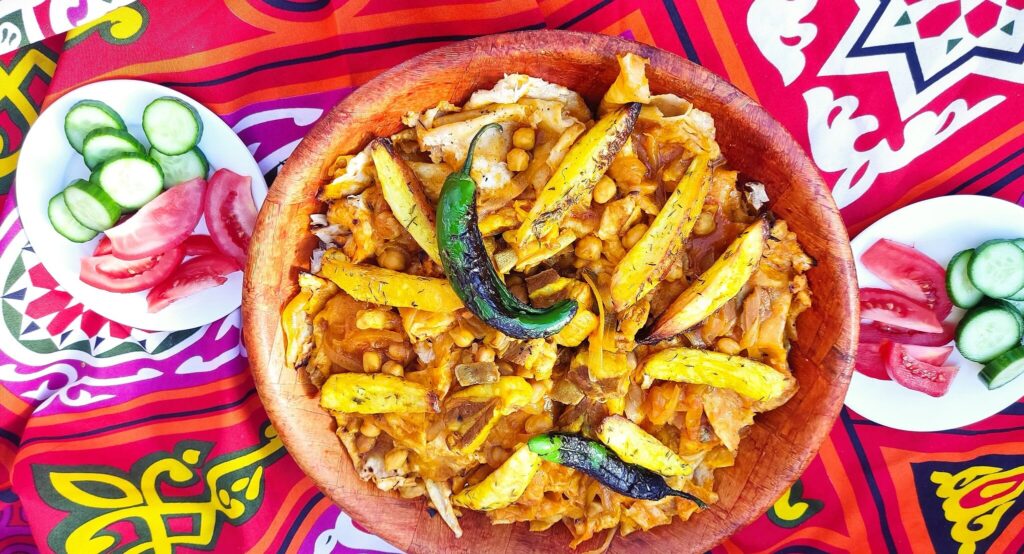
In the coastal city of Misrata, Ftat is also prepared but is often eaten whole rather than being torn. One of the most common ways to eat it is wrapped around Ejja, a thick omelette made with herbs and potatoes. Ftat is frequently served at breakfast and appears at social gatherings such as Mawlid celebrations, weddings, funerals, and during Ramadan.
The bread uses only basic ingredients, particularly flour and oil, and a flat cooking surface, and families have preserved its preparation technique for generations.
Traditional Ftat Recipe
Serving size is 20 pieces for this recipe.
Ingredients:
Dough:
- 1 cups fine flour.
- 1 tablespoon salt.
- About 3 cups water, added gradually.
- Corn oil for mixing and brushing.
Layering Paste:
- 4–5 tablespoons flour.
- Corn oil, enough to form a smooth paste.
Instructions
1. Prepare the Dough
In a large bowl, combine the flour and salt. Add a small amount of oil and begin adding water gradually while kneading. Continue kneading until the dough becomes soft and smooth but not sticky.
Cover the dough and allow it to rest for about 30 minutes.
2. Divide the Dough
Divide the dough into small balls about the size of a ping-pong ball. Lightly coat them with oil and cover again. Let them rest for another 15–20 minutes.
3. Prepare the Paste
Mix the flour and oil together until smooth and spreadable.
4. Create the Layers
Flatten one dough ball slightly with your hands. Spread a thin layer of the flour and oil paste over the surface. Place another flattened dough piece directly on top to form a sandwich. Gently press the edges so the paste remains inside.
Repeat with the remaining dough balls.
Let the layered pieces rest again for about 30 minutes.
5. Stretch the Dough
Using lightly oiled hands, gently stretch each layered piece on an oiled surface until very thin.
6. Cook
Place the stretched dough on a hot flat pan or griddle over medium heat. Cook briefly, then flip. Brush lightly with oil and cook the other side.
Once cooked, separate the two layers. Return each layer briefly to the pan to cook the inner sides.
Remove from heat and wrap in a clean towel to keep soft and warm. Ftat is best eaten fresh and warm.
A Bread Passed Down Through Generations
Though simple in its ingredients, Ftat is kept alive through generations of culinary tradition in Misrata and Jebel Nafusa. The bread’s thin layers and preparation technique have been preserved through families and communities for centuries, and it is one of Libya’s oldest dishes.
Bsahatik!
Want more articles like this? Sign up for our e-newsletter!
Check out our blog here!