

Subscribe
to receive news by email

Poll
Will the Trump Administration Shift U.S. Policy in Favor of Palestine?
- No (87%)
- Yes (13%)
 Loading ...
Copyright © 2026 Arab America
Go topRafic Hariri: His impact in Lebanon Before and After his Death
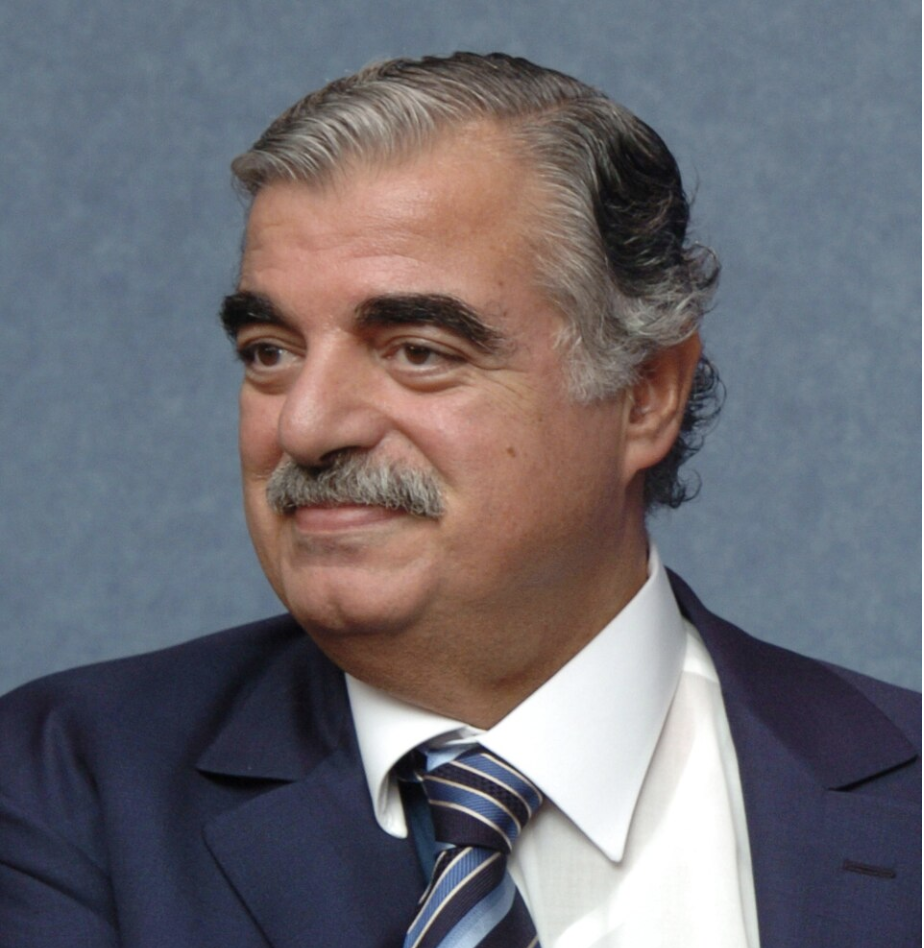
By: Amir Kobeissi / Arab America Contributing Writer
Lebanon’s modern history is deeply connected with the life and legacy of its former Prime Minister, Rafic Hariri who was a strong leader that changed the landscape and lives for many Lebanese. Coming to power in a critical moment in Lebanon’s history, he helped reconstruct many parts of the country’s war torn areas following the country’s long lasting civil war. Doing so, he gained the heart of many who were struggling to survive and recover from the harsh violence they once lived in. Even after he was killed in February of 2005, his legacy continues to influence Lebanese politics and dynamics. Arab America’s contributing writer Amir Kobeissi shares the history of Rafic Hariri’s lasting impact in the Arab world, and how his leadership allowed for more unity in Lebanon.
Early Life of Hariri
Rafic Hariri was born on November 1, 1944 and grew up in Sidon, Lebanon to a poor Sunni Muslim family. He would often help his family by picking fruits such as lemons and oranges, and this influenced him to strive to get the best of what his education provided him. Doing so, he was able to attend University at Beirut Arab University and graduate successfully with a degree in Business Administration. This helped him gain closer ties with the Saudi Royal family through a major construction company he founded, and further his vision in reconstructing and helping his country.
His hard work and effort allowed him to gain immense popularity amongst the Arab world, and gave his citizens hope for the future after a brutal 15 year long civil war. Most notably his reconstruction in Beirut’s downtown allowed the city to be a hub for tourism and community once again. Hariri’s impact was far beyond just reconstruction and rebuilding, but also strived in creating a significant boost in both health care and education for all.
Most Notable Achievements
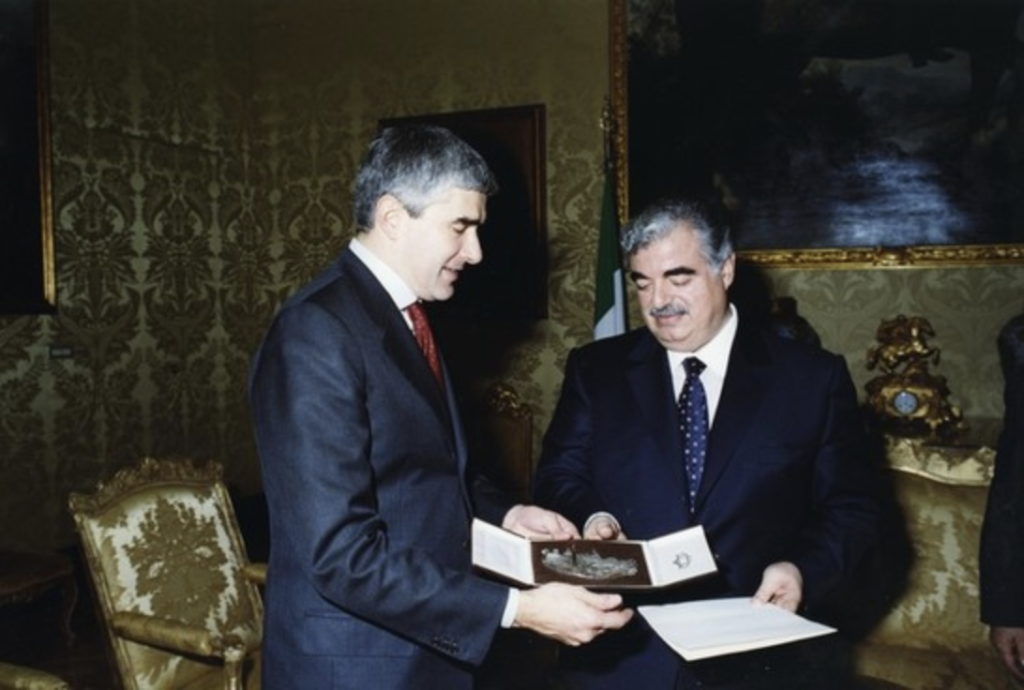
Rafic Hariri’s most notable achievements were crucial in ensuring Lebanon’s security and prosperity for decades to come. Through his ability in opening up his own construction company and improving the nations economy, he allowed for foreign investments and economic reform to prosper across the country. Most notably he wanted others to experience and get the best education possible, and was able to establish this through his foundation, the Hariri Foundation. This provided people with scholarships internationally, free education, and a commitment in equipping students with skills they could maintain and build upon to improve Lebanon’s future.
The Death that Changed Lebanon
On February 14, 2005, Rafic Hariri was killed in a massive car bombing in Beirut that shook the country, and sent shock waves all across the region. This not only shocked Lebanese citizens but played major effects on Lebanon’s political dynamics and unity as a whole. Many people blamed Syrias government and their ally Hezbollah for involvement in the assassination who were gaining massive influence and military presence throughout he country. His death ended Syria’s military presence in Syria and tainted Hezbollah’s wider reputation across the region. This many have increased divisions across the country, but also influenced others to stay united and stay true to Hariri’s ideals and pursuits.
Legacy and Influence
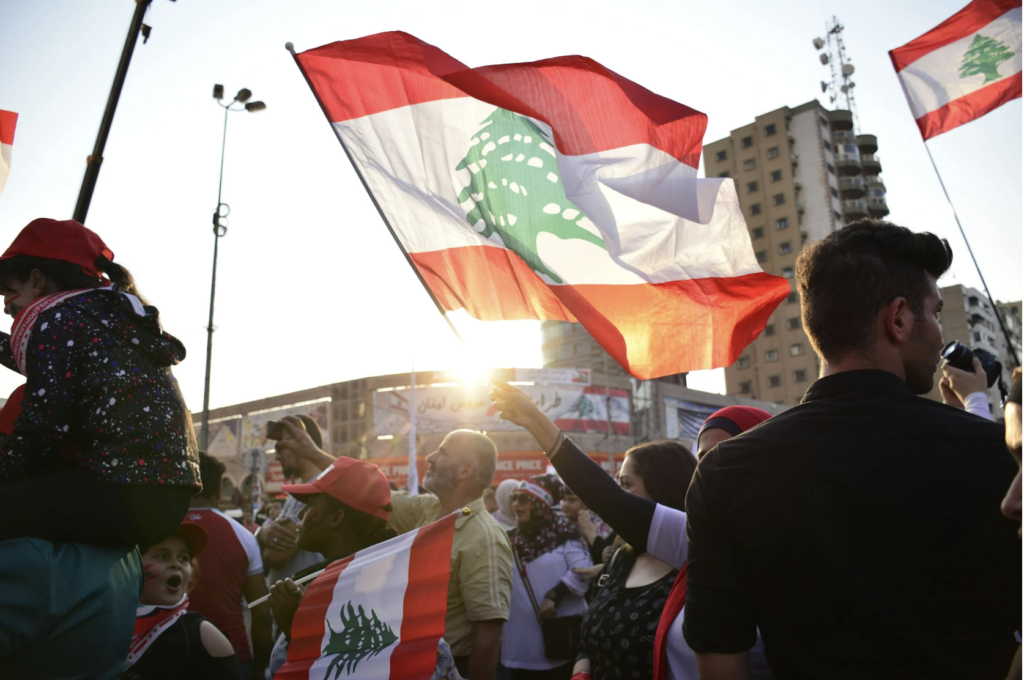
Outside of just economy and politics, Rafic Hariri’s legacy and influence resonates with many of Lebanese citizens today and the globally around the Arab world. His desire to rebuild his country and give back to his people represents ability to fight and recover from years of conflict. One of his most lasting homages is Lebanon’s airport, The Beirut-Rafic Hariri International Airport, which honors his name and legacy in commitment with unity, in connection within his nation and countries all across the world.
Want more articles like this? Sign up for our e-newsletter!
Check our blog here!


.jpg)

