Subscribe
to receive news by email

Poll
Will the Trump Administration Shift U.S. Policy in Favor of Palestine?
- No (86%)
- Yes (14%)
 Loading ...
Copyright © 2026 Arab America
Go topThe Significance of Mezwed for Tunisians
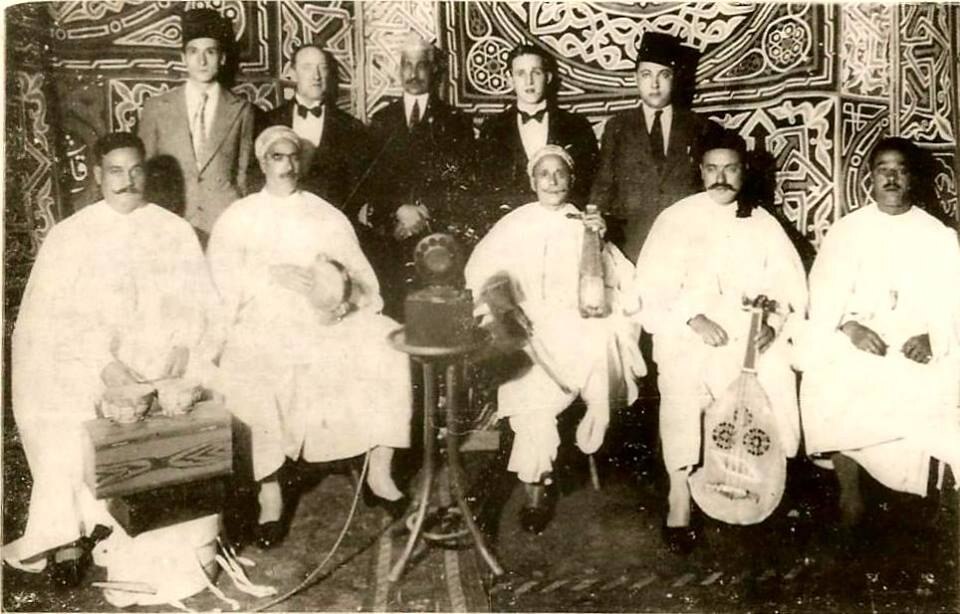
Photo Credit: Wikicommons
By: Nadia Boughanmi / Arab America Contributing Writer
The tunes of mezwed are heard from the streets of Tunisia to the homes of Tunisians globally. Mezwed, traditional Tunisian folk music, has been around for centuries. Creating ever lasting memories over dancing at weddings or even in the streets. The rich sounds of the darbouka and the mizwad are the key to any Tunisian’s heart. It builds social groups through dance, loving memories between families and is the key to a Tunisian’s wedding day. One would think that such beautiful memories and tunes would be accompanied by peaceful and loving lyrics, however there is another side to mezwed.
Many times, mezwed lyrics center around resistance, corruption and other forms of political oppression. Mezwed artists frequently wrote songs centered around the on-going issues from the time period. From the resistance against the French to dictatorships to the 2011 Arab Spring Revolution, mezwed has carried the people through it all. The sweet tunes of the instruments allow for an “escape” from the political climate through dance, while the lyrics serve as a reminder and advocate for awareness.
Marginalization
Mezwed lyrics had often put a focus on the struggles of marginalized groups. Discussing the struggles of the working class and their inability to afford necessities to live. People were forced to labor for long hours, yet couldn’t afford to feed their families. The lyrics in mezwed acted as a “sneak diss” to the government for not properly caring for their citizens and depriving them of daily necessities.
There was a focus during the French occupation on “ghorba” or alienation as well as “harga” or secretive migration that was done to escape corruption. Cases of people being exiled for speaking out publicly against corruption and oppression had started to appear. That’s where music came into play, since people couldn’t protest on the street, they sang about their oppressions. Globally, across cultures, music is used to “symbolize” and advocate for marginalized communities, exactly what mezwed did for Tunisians.
Political Sphere
Mezwed had survived through differing political spheres. From dictatorships to revolutions, mezwed served as key principal for the Tunisian people. Under various political circumstances, mezwed had been banned, excluded from broadcast or regulated by the government.
During the authoritative dictatorships of Bourguiba and Ben Ali, mezwed was pushed to the side and essentially “banned.” Bourguiba had excluded it from state broadcasts to prevent the mobilization of activists and people. During these times, there were countless issues with the socioeconomic sphere in Tunisia, which many artists had spoken about in their music. Calling out or attempting to hold a dictator accountable is severely disliked by the people in power, so sidelining mezwed was a jump at silencing the people.
During the French occupation of Tunisia, they attempted to change political beliefs and Tunisian cultural ways. However, mezwed remained as a string tying the Tunisian people to their ancestral roots. The beats kept people “alive” through a rough period of colonization and kept them attached to the rich culture their country has to offer. The swinging hips and twirling arms kept the dance culture of Tunisians thriving, even through times where their culture was being stripped and frowned upon by colonial powers.
Revolution
2011, the Arab Spring began in Tunisia. A fight for democracy and a better economy was now being endured. The want to escape from the decades of an authoritarian government had become stronger than ever, the same authoritarian governments that had regulated mezwed.
During the 2010’s era in Tunisia, rap music had also become extremely popular, especially when acting as a source of activism in the 2011 Revolution. Mezwed and rap songs began to merge, sharing the same stories of a want for freedom, a want for a better future and a want for economic stability. Through a great amount of push back, the Tunisian people had won their fight, guiding a pathway for democracy. Through the core elements of free speech in democracy, mezwed had further remained un-regulated. However, since 2021, the lyrics of mezwed have taken relevance again.
In 2021, Kais Saied secured the presidency in Tunisia. Since then many argue that censorship has regained a presence in Tunisia. As well as on-going economic issues that are heavily affecting the working class, the same situations that were sung about decades prior. Many popular mezwed artists have also been cautious of a return of the same state scrutiny that was once received. Protesting and marginalization have been more prevalent than ever, mirroring a past time for Tunisians. Whether it is to keep culture alive through occupation, fighting authoritarianism or simply a moment of dancing shared between loved ones, mezwed will forever remain a significant part of every Tunisian’s heart.
Want more articles like this? Sign up for our e-newsletter!
Check out our blog here!