Subscribe
to receive news by email

Poll
Will the Trump Administration Shift U.S. Policy in Favor of Palestine?
- No (86%)
- Yes (14%)
 Loading ...
Copyright © 2026 Arab America
Go topTop 10 Must See Places When Visiting Libya
By Nourelhoda Alashlem/Contributing Writer
Located in North Africa along the Mediterranean Sea, Libya is a country often misunderstood by the outside world.
While many people associate Libya only with conflict or political instability, the country is home to some of the most breathtaking historical and natural sites.
Libya offers a level of beauty and authenticity that many travelers say is unlike anywhere else they have visited.
As the fourth largest country in Africa, Libya’s geography is incredibly diverse. In the north, visitors can explore coastal cities filled with Ottoman architecture and ancient ruins overlooking the sea. Further south, the landscape transforms into golden dunes, rock formations, ancient prehistoric cave art, and oasis towns that feel frozen in time. The country is also known for its hospitality, rich food culture, and deep historical connections to African, Arab, Amazigh, Greek, Roman, and Ottoman civilizations.
Despite being overlooked by mainstream tourism, Libya contains five UNESCO World Heritage Sites and some of the best-preserved archaeological ruins in the entire Mediterranean.
Here are ten destinations that reveal a side of Libya the world rarely gets to see!
1. Tripoli
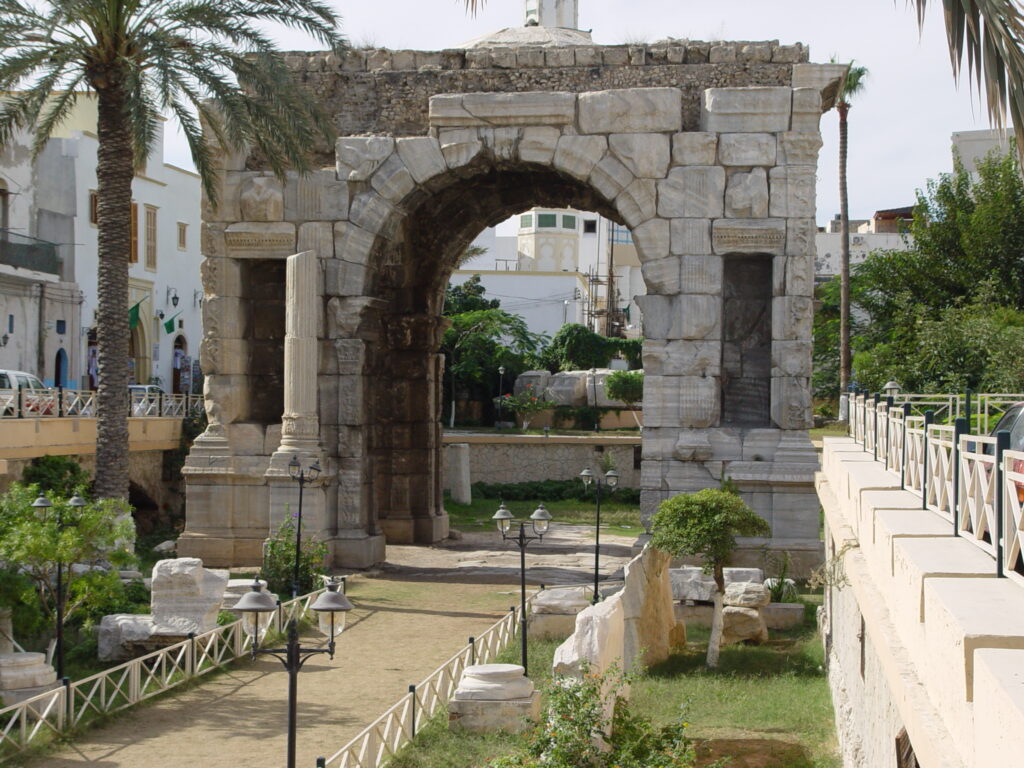
As Libya’s capital city, Tripoli is often the first place visitors experience when arriving in the country. The city combines Roman, Ottoman, Italian, Amazigh, and Arab influences, creating a unique atmosphere along the Mediterranean coast.
At the center of the city is the Old Medina, filled with narrow alleyways, local markets, cafés, mosques, and historic buildings. One of Tripoli’s most famous landmarks is the Arch of Marcus Aurelius, a Roman arch dating back to 163 AD.
Nearby is the Red Castle, a massive fortress overlooking the sea that houses Libya’s National Museum, filled with Roman mosaics, sculptures, and artifacts from Libya’s long history.
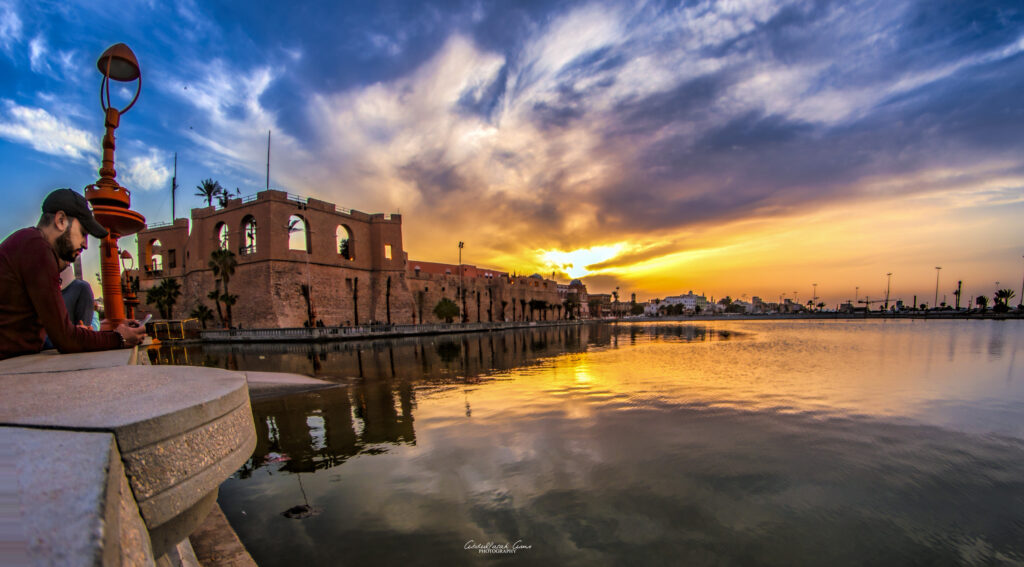
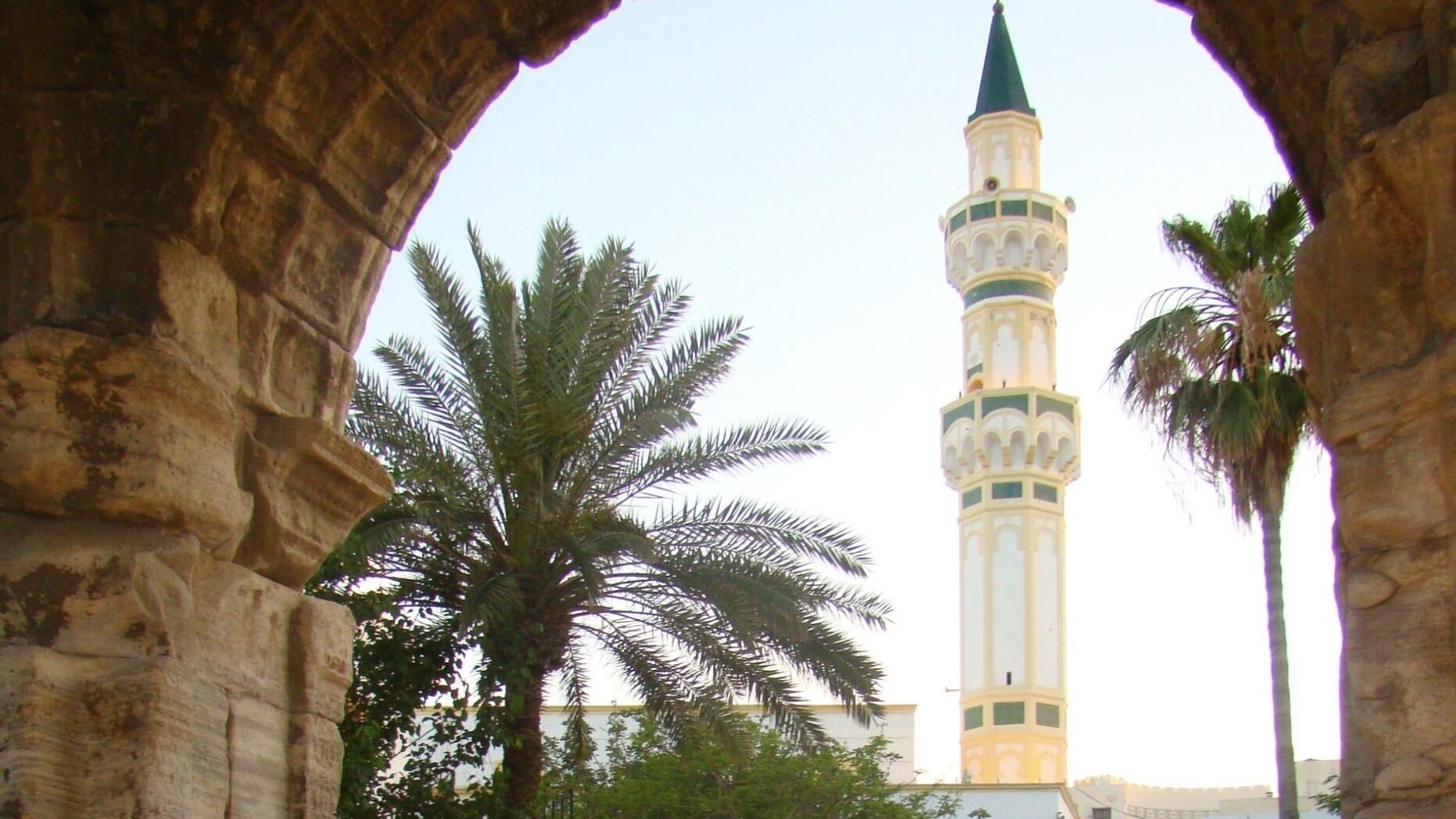
Tripoli is also known for its beautiful mosques, especially the Gurgi Mosque, famous for its Ottoman architecture, marble columns, and colorful tilework. Visitors can also explore the Eskender Arts House, and Martyrs’ Square, the waterfront corniche, traditional souqs, and old Ottoman houses hidden throughout the city.
2. Leptis Magna
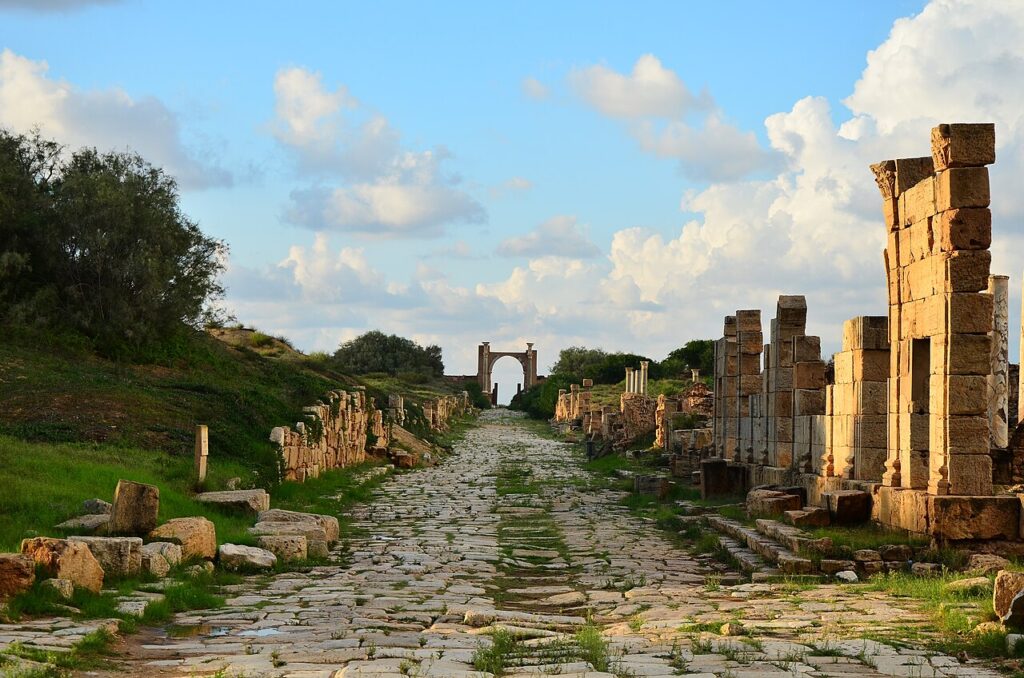
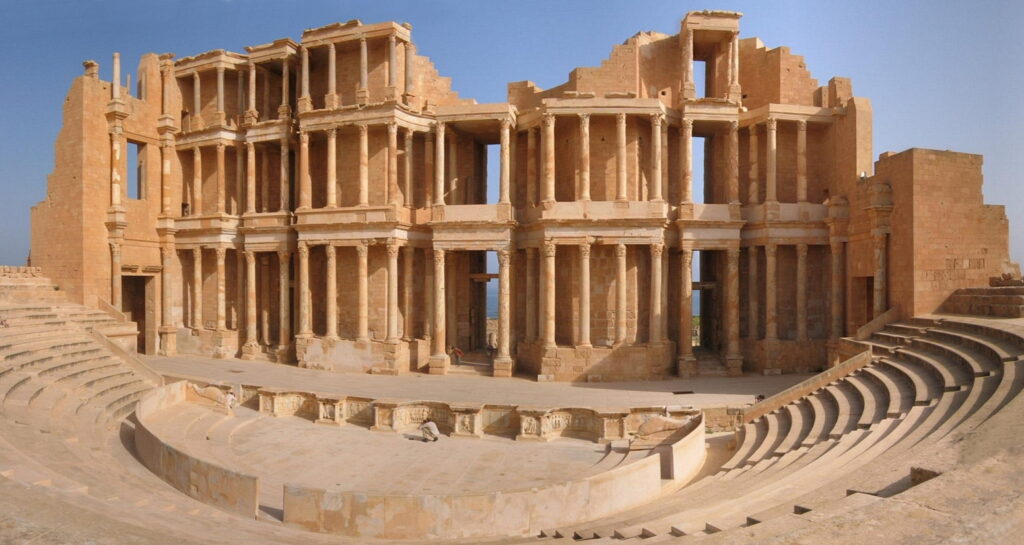
Leptis Magna is often described as one of the best-preserved Roman cities in the world.
Located along Libya’s Mediterranean coast, the ancient city contains massive arches, theaters, marketplaces, bathhouses, and columns that have survived for nearly two thousand years.
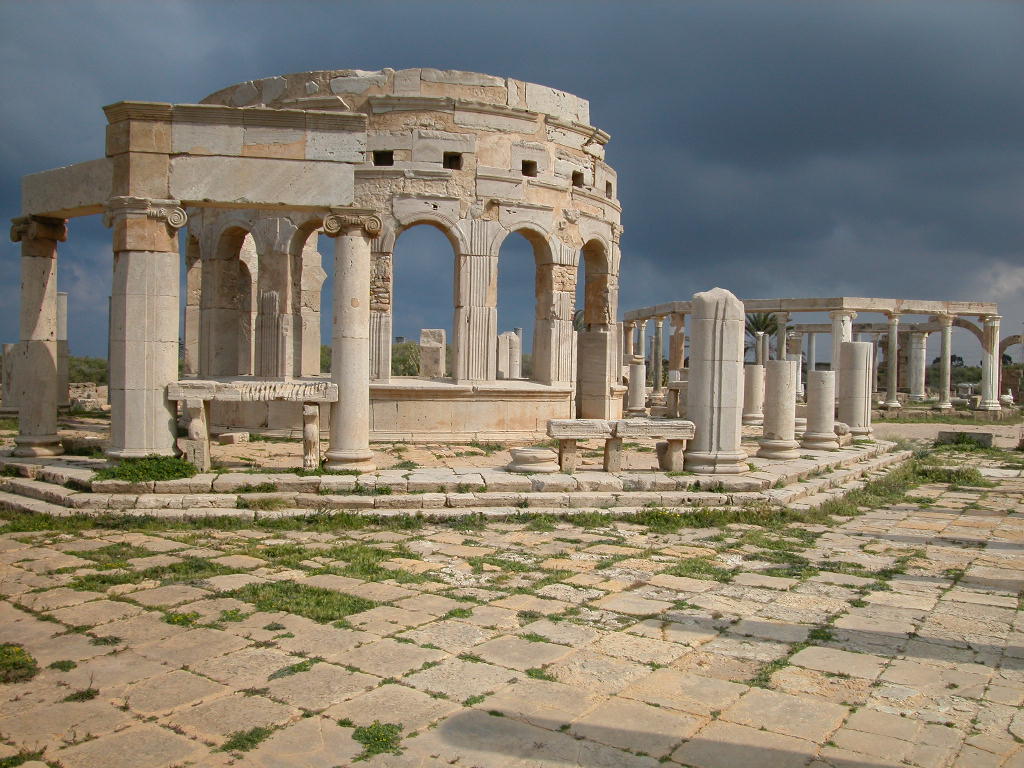
The city became especially important during the reign of Roman Emperor Septimius Severus, who was born there.
One of the highlights is the enormous Roman theater overlooking the sea, which many travelers consider one of the most beautiful historical sites in North Africa.
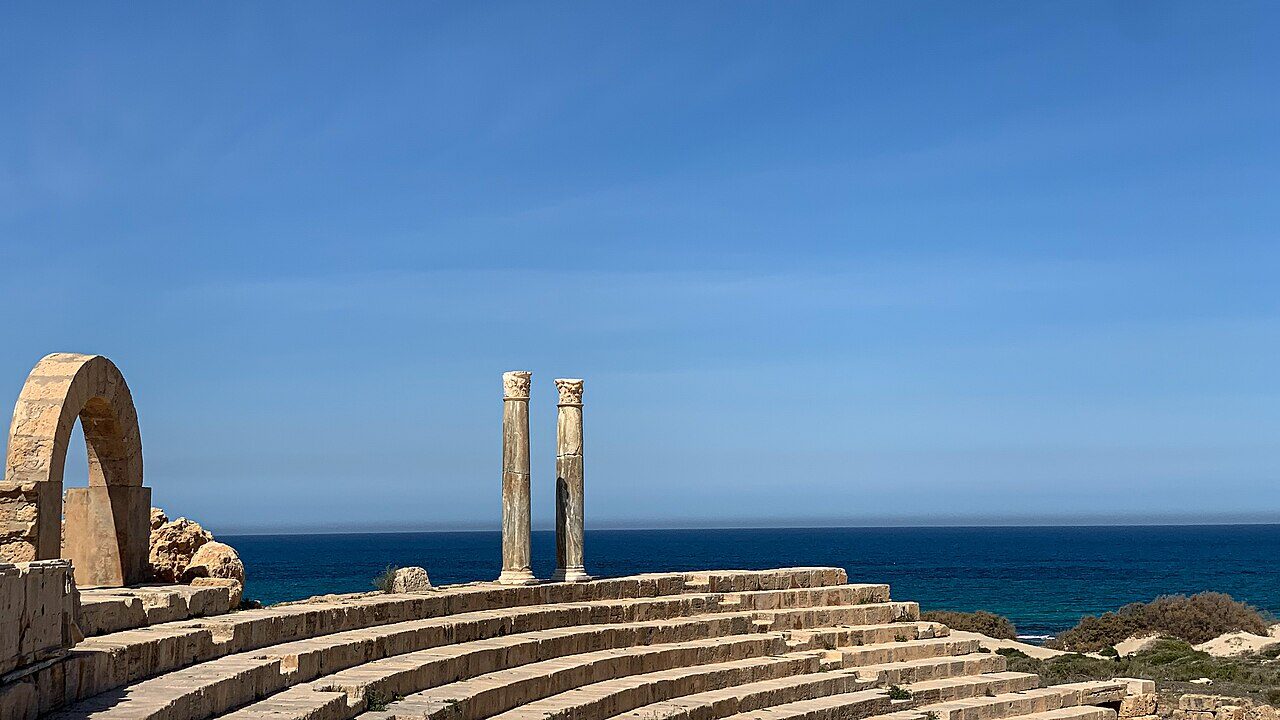
Walking through Leptis Magna feels like stepping directly into the Roman Empire. Unlike many famous ruins in Europe, the site remains quiet, not crowded, and largely untouched by mass tourism.
3. Cyrene
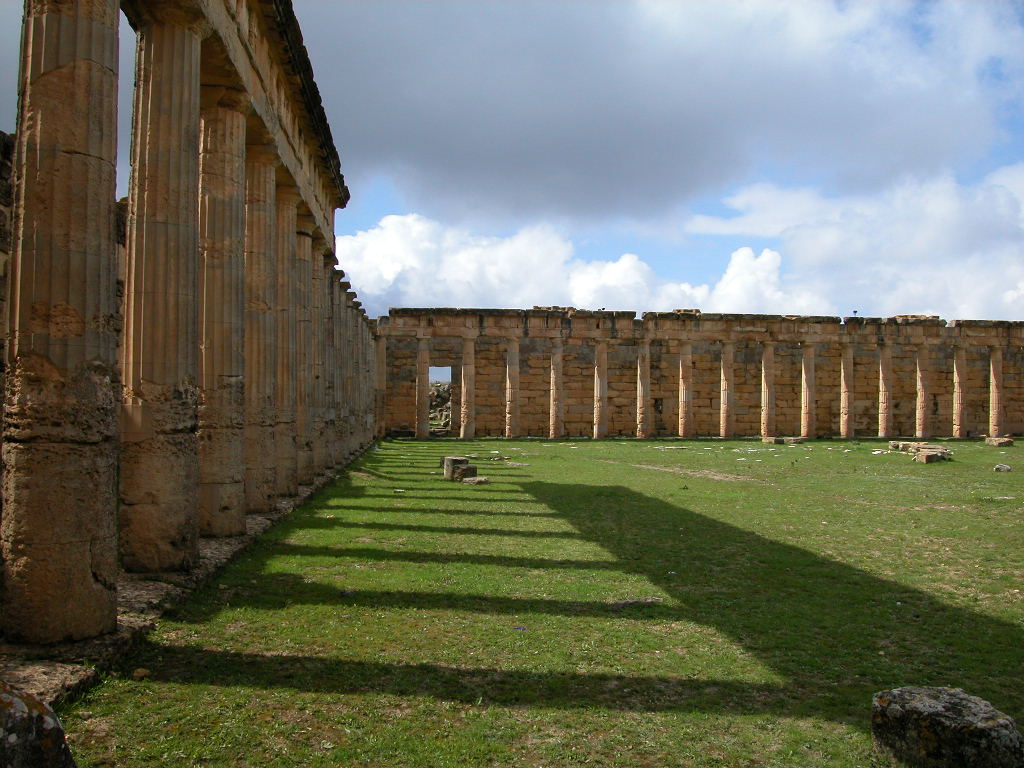
Located in eastern Libya’s Green Mountain region, Cyrene was once one of the most important Greek cities outside of Greece. Founded in the 7th century BC, the city became a major center for philosophy, trade, and culture.
Today, visitors can explore ancient temples, theaters, columns, and public squares surrounded by green hills and Mediterranean views. Important landmarks include the Temple of Zeus and the Sanctuary of Apollo.
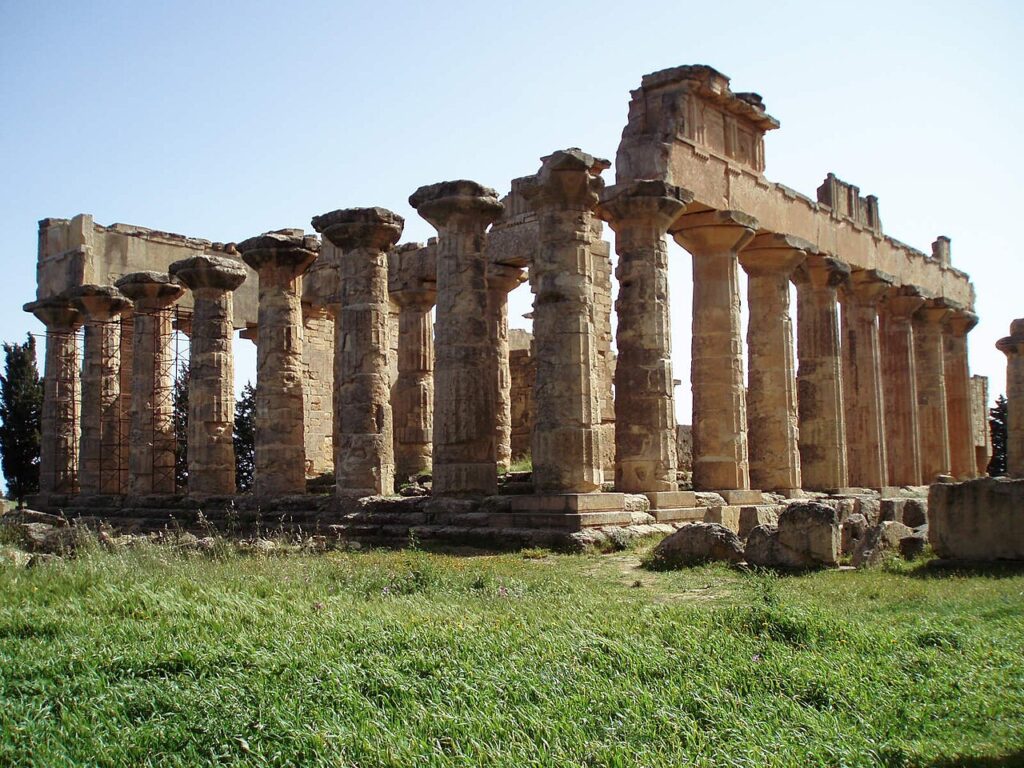
Unlike the desert landscapes many people associate with Libya, Cyrene is known for its cooler climate, nature, and greenery.
4. Sabratha
Sabratha is another remarkable Roman city located on Libya’s western coastline. Originally founded by the Phoenicians, the city later became an important Roman trading center.
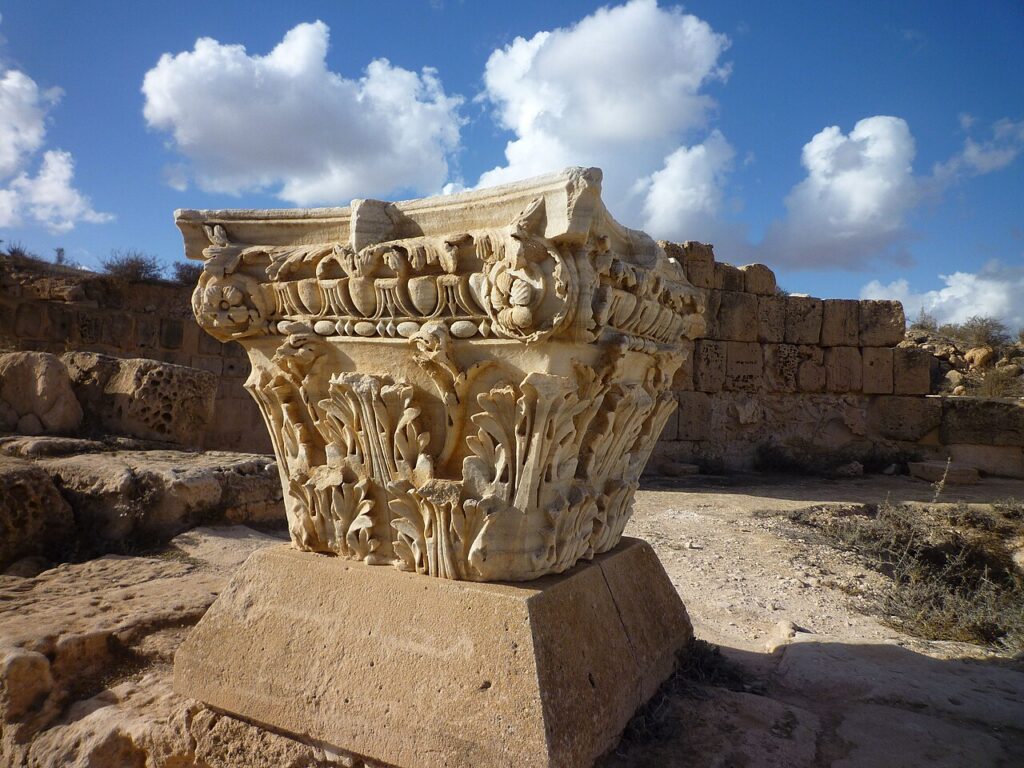
The site is famous for its Roman theater, sea-facing ruins, temples, baths, and colorful mosaics. Sabratha’s location beside the Mediterranean makes it especially beautiful at sunset.
Today, it remains one of Libya’s five UNESCO World Heritage Sites and one of the country’s greatest archaeological treasures.
5. Ghadames
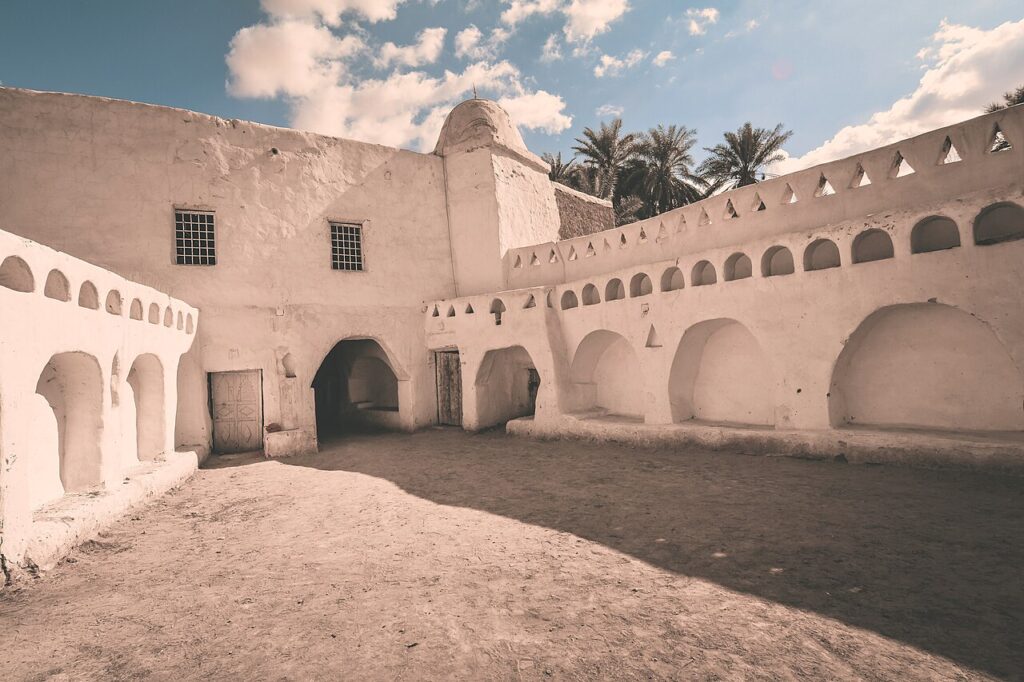
Known as the “Pearl of the Sahara,” Ghadames is one of Libya’s most unique destinations.
This ancient Amazigh oasis town is famous for its whitewashed mud-brick homes, covered alleyways, and maze-like design created to keep residents cool during the desert heat.

Visitors can walk through narrow passageways, explore traditional homes, and arrange to eat lunch or dinner in one of the homes in Old Town!
You can also experience a style of architecture perfectly adapted to the Sahara environment.
At sunset, the surrounding sand dunes turn deep shades of orange and gold, creating breathtaking views.
6. Acacus Mountains
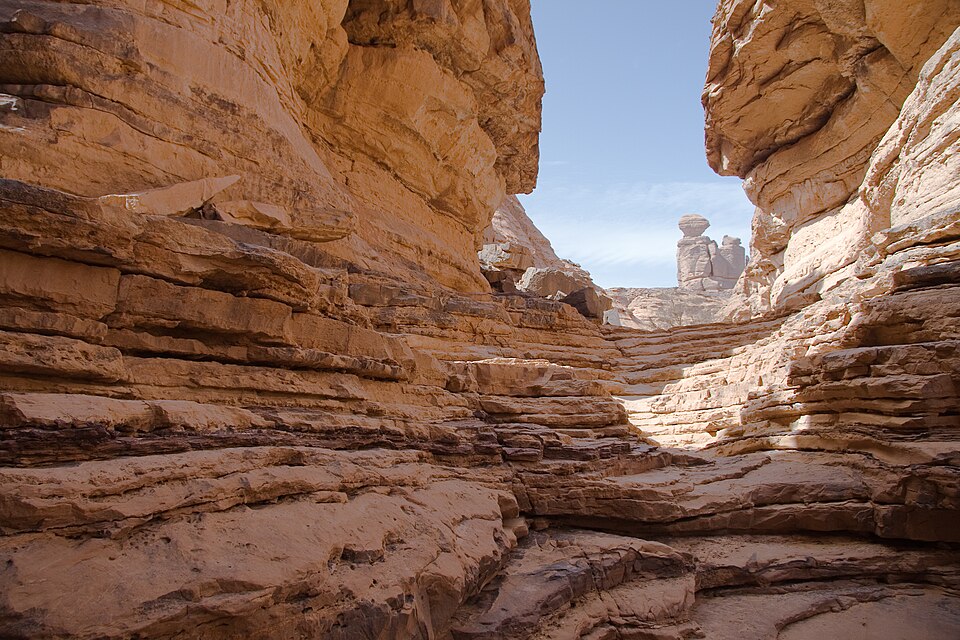
Deep in the Sahara Desert lies one of Libya’s most extraordinary landscapes. The Acacus Mountains are filled with ancient rock formations, arches, canyons, and prehistoric cave art dating back thousands of years.
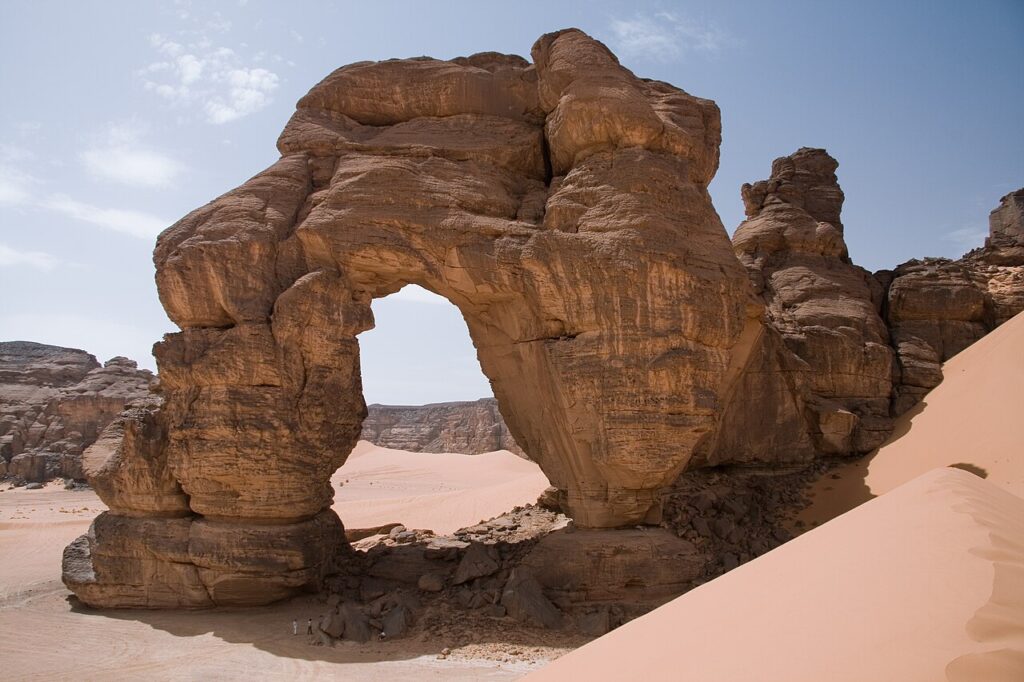
The rock paintings show a very different Sahara from today, one filled with giraffes, elephants, and ancient human communities.
The area is also home to stunning sand dunes and some of the clearest night skies in the world.
7. Ras al-Helal
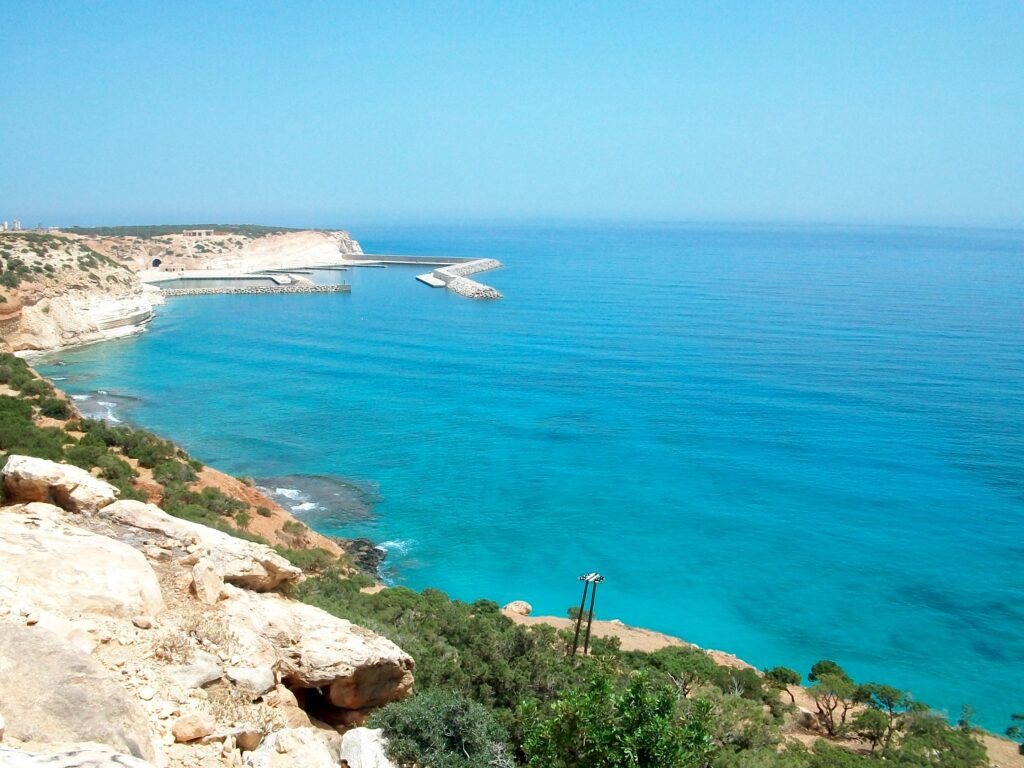
Ras al-Helal is one of Libya’s most surprising natural destinations. Located on the Mediterranean coast in eastern Libya, the area is famous for its green forests, waterfalls, mountains, and beaches.
Its crescent-shaped coastline gives the area its name, and the combination of lush scenery and turquoise water makes it unlike almost anywhere else in the country.
Many Libyans consider it one of Libya’s most beautiful hidden gems.
8. Kabaw
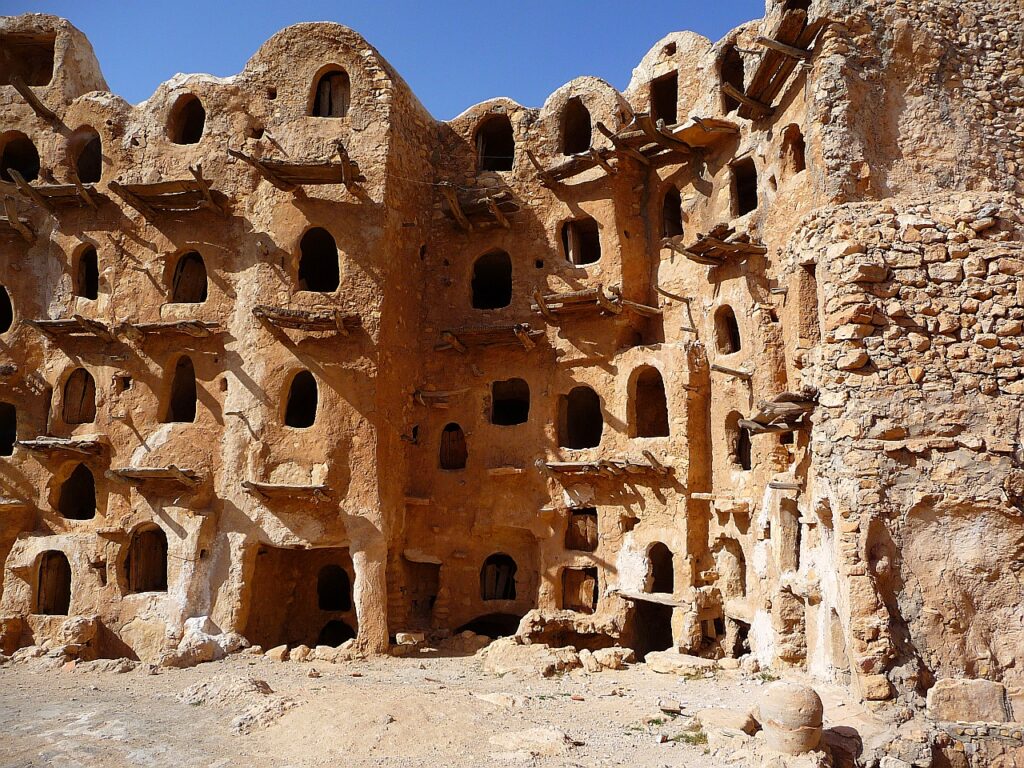
Kabaw is a historic Amazigh mountain town located in the Nafusa Mountains of western Libya. The town is famous for its ancient qasr, or fortified granary, which rises several stories high on a hilltop overlooking the surrounding landscape.
Built from stone, mud brick, and gypsum, the structure once protected grain, oil, and water for local communities.
Today, Kabaw remains one of the best places to experience Libya’s Amazigh culture and traditional mountain architecture.
9. Zuwara
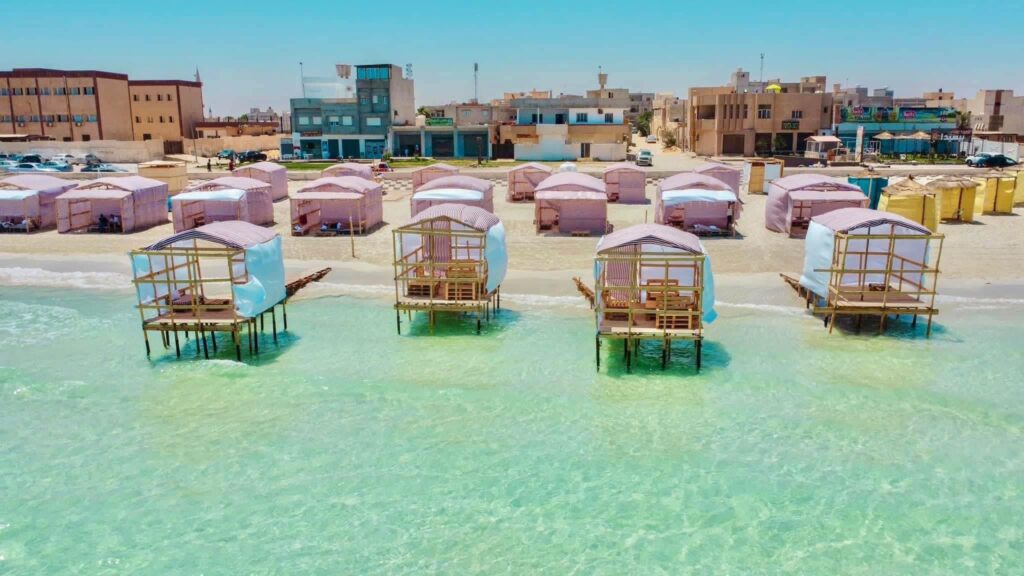
Located near the Tunisian border, Zuwara is a coastal city known for its clear beaches, seafood, and local traditions.
The city’s white-sand coastline and palm trees make it one of Libya’s favorite summer destinations.
During the annual Awussu Festival, the city comes alive with traditional music, dancing, crafts, and seaside celebrations.
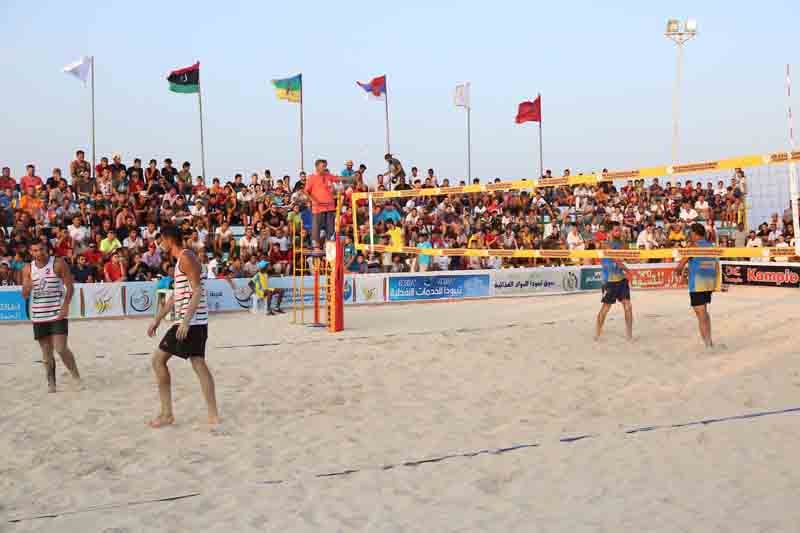
Nearby, Farwa Island is also known for its natural beauty and birdlife, including flamingos.
10. Ubari Oasis
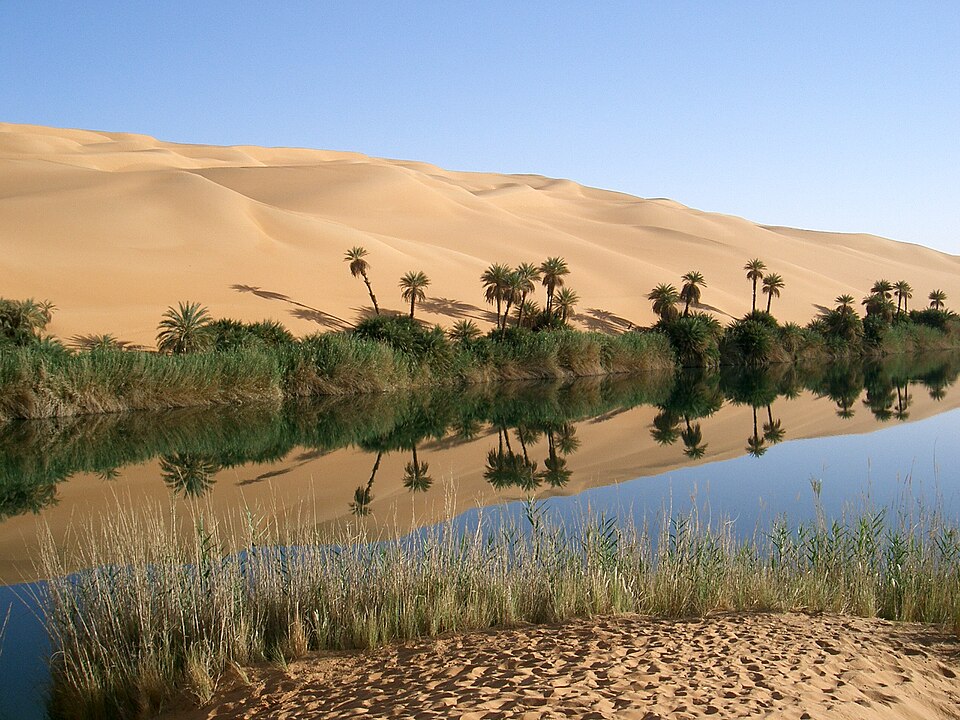
Located deep in the Sahara Desert of southwestern Libya, the Ubari Oasis is one of the country’s most breathtaking natural destinations.
Surrounded by massive, one of the oldest pyramids, and palm trees, the oasis is famous for its bright blue salt lakes, such as Gaberoun and Umm al-Maa. The city feels unreal, with turquoise water appearing in the middle of the desert landscape.
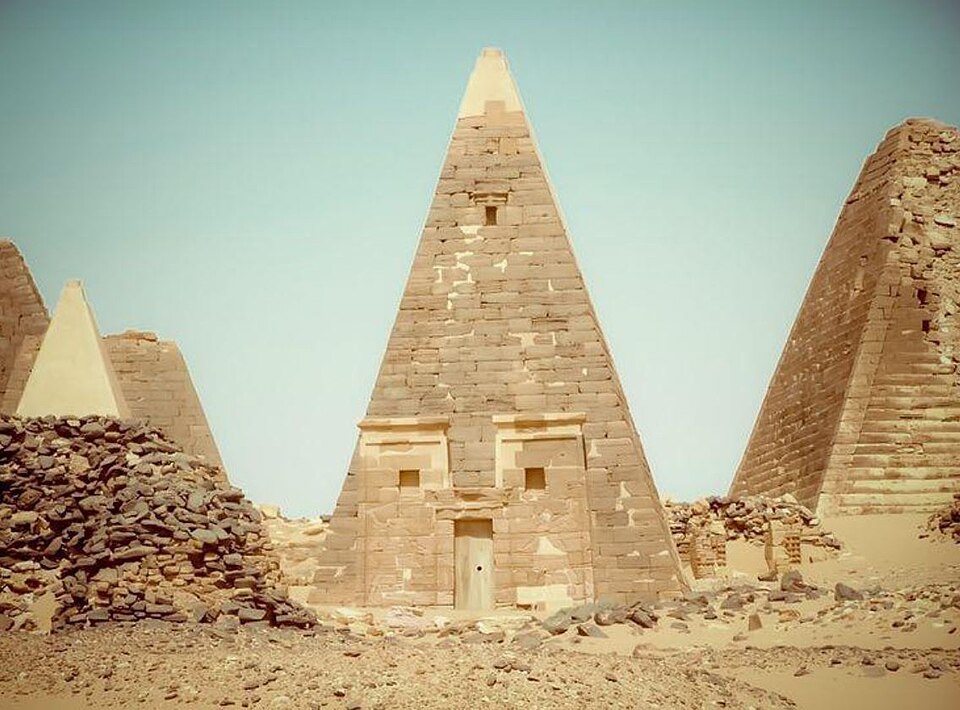
The region is also home to the Tuareg people and has long been connected to ancient Saharan trade routes and desert culture.
Today, visitors come to Ubari to camp under the stars, explore the pyramids, and experience one of the most peaceful and surreal parts of Libya.
Want more articles like this? Sign up for our e-newsletter!
Check out our blog here!