Subscribe
to receive news by email

Poll
Will the Trump Administration Shift U.S. Policy in Favor of Palestine?
- No (87%)
- Yes (13%)
 Loading ...
Copyright © 2026 Arab America
Go topA Taste of Home: The Expansion of Arab Comfort Food Into the U.S
By Ben Samuels/ Arab America Contributing Writer
For many Americans, their first taste of Arab food was likely a large platter of chicken over rice or a hummus dish. The rapid growth of Arab comfort food in the U.S. has been crucial to Arab identity. Food is a crucial element of almost all cultural identities, and this theme is particularly evident in the Arab world. Food symbolizes key aspects of Arab culture, including hospitality, tradition, and safety.
There are currently around 3.7 million Arab-Americans in the U.S., and Arab foods have been in the U.S for quite some time. However, one may notice that over the past decade, there has been a significant expansion of Arab “comfort” food around cities all over the nation. This comfort food takes many forms, often following the guidelines of being rich in spices, with heart ingredients, and slowly cooked, according to Taqwa’s Bakery. From Halal carts on the sidewalks of New York City to chain restaurants that have expanded across the coast to California, Arab comfort food is taking over and is here to stay. Even with the apparent Americanization of some foods, the cultural significance is crucial and plays a role in the mass expansion of Arab comfort food..
The Expansion Commercially and Locally
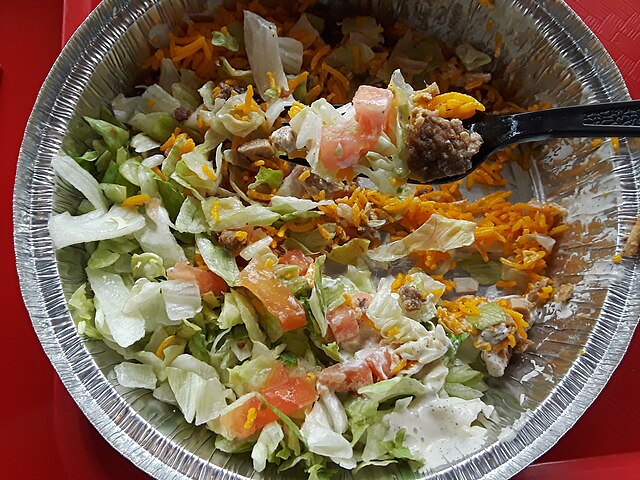
The strongest indicator of this expansion of Arab foods in the United States is the growing presence of large chains across the country. A prime example is the Halal Guys; in 1990, three Egyptian men founded a hot dog cart in New York City. They then switched to selling affordable, filling, and quickly prepared Halal platters, mainly to cab drivers in NYC.
In 2014, they opened their first physical restaurant in NYC, and since then, it has taken off, with over 100 locations in states such as Iowa, Texas, Florida, and California. This isn’t the only area where Arab comfort food has evolved in the U.S., as it goes much deeper than corporate expansion in large cities.
Dearborn, Michigan, is one of the most densely populated Arab-American areas in the nation, and this region has experienced a surge of local bakeries, restaurants, and other eateries. The food in Dearborn is considered more authentic, thus prompting some to travel to get a more cultural experience of Arabic comfort food. Specifically, Al Ameer Restaurant in Dearborn was named the first Arab-American restaurant in Michigan to receive a James Beard Award, which signals the level of prestige these restaurants are maintaining. Overall, the expansion of Arab comfort food is excelling at both the corporate and local levels while maintaining a high-quality product.
Cultural Significance
Food in the Arab world is one of the defining and most important characteristics of the culture. Hospitality is very important in the Arab world, and food is used as a means to express it. Serving food to guests is seen as a sign of respect, generosity, and welcoming. The expansion of Arab comfort food in the U.S is vital to this concept, as non-Arab-Americans are drawn into this culture through the sharing of native comfort food, such as Falafel, which has become extraordinarily popular.
Another culturally significant food that has been a part of the expansion is Shawarma. This is due to the adaptability of the food as it’s easily prepared in Western kitchens, and it also contains many of the core pieces of Arab food, given the spices, slow cooking process, and overall warm feeling that it leaves people with. In addition, tradition is carried on through food, as many recipes are passed down from generation to generation. The expansion into the U.S shares these amazing recipes with many different demographics and shows the world what Arab food has to offer. Lastly, having authentic, common food is important for helping immigrants feel at home and connecting those born in America with their roots. This expansion of food provides a sense of cultural security, which continues to increase in importance.
Americanization
There is no denying that oftentimes it’s tricky to find truly authentic food in the U.S as in many cultures, food has been “Americanized,” such as Sabra hummus which is smoother, milder and has a more varied flavor than traditional hummus. Oftentimes these Americanized foods are made simpler, faster, and with different seasonings. However, throughout history, this has become a natural adaptation in many scenarios, becoming a favorite of many. For example, Shawarma is often served in wraps instead of pita, and gluten-free options have been created, according to Levant LA. However, this isn’t necessarily a bad thing from every perspective, as it makes Arab food more accessible to large groups while still preserving the essence of authentic Arab comfort food.
Conclusion: The expansion of Arab comfort food in the U.S is much broader than restaurant pop-ups. It reflects the overall growth of Arab culture in the U.S and serves as a vehicle to share Arab culture, while also providing a sense of security for Arab-Americans. The adaptations of Arab food are a controversial topic; however, they allow the cuisine to expand and appeal to larger audiences. Overall, the expansion of Arab comfort food throughout the U.S across all levels signifies cultural preservation, pride, and security.
Want more articles like this? Sign up for our e-newsletter!
Check out our blog here!