
Subscribe
to receive news by email

Poll
Will the Trump Administration Shift U.S. Policy in Favor of Palestine?
- No (86%)
- Yes (14%)
 Loading ...
Copyright © 2026 Arab America
Go topFrom Trading Port to Global Powerhouse: Dubai’s Rise
By Ben Samuels/Arab America Contributing Writer
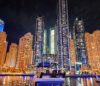
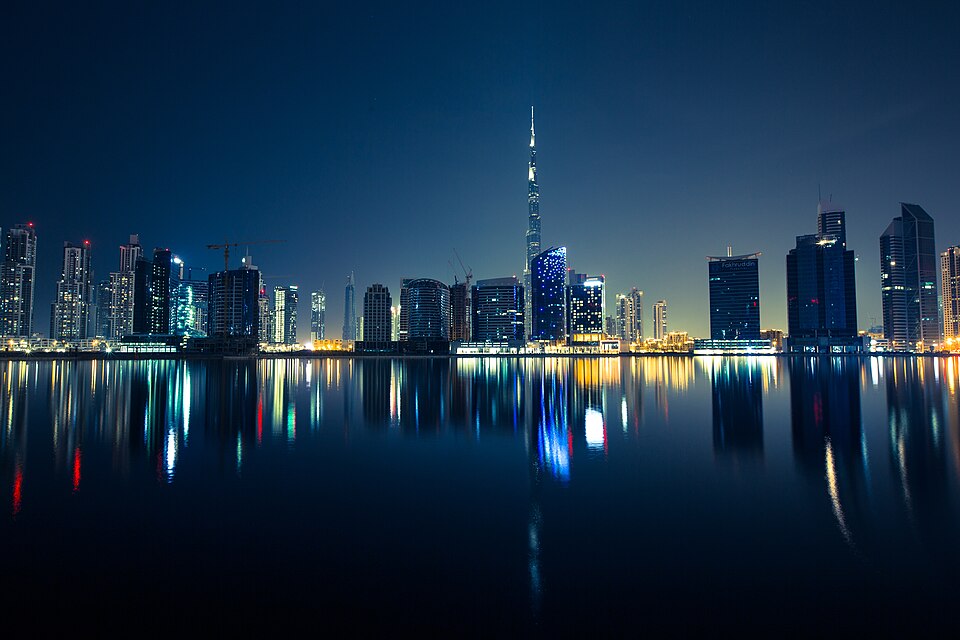
When many people (often Westerners) think about the Middle East and the Arab World in particular, it is very common for the UAE to come to mind, as cities like Dubai stand for wealth, infrastructure, and the overall development of the Arab World. Dubai, as we know it, is filled with huge NYC-style skyscrapers, luxury resorts, and flashy cars. However, Dubai was not always a city built with gold; prior to the development of infrastructure, Dubai was a coastal trading port. However, over the course of decades, the city has turned into a city that represents modern Arab wealth and influence throughout the world, which has mainly been achieved through highly strategic economic investments as well as an overall well-executed plan for the future of the city.
The Plan
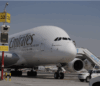
A city doesn’t turn into a leader in infrastructure overnight or due to error; it takes time, planning, and some geographical luck in order to make the necessary changes and development. Oil was first discovered offshore in 1966 after years of searching the area for the luxury export, and in 1969, the mass extraction of oil began to take place as over 100,000 barrels of oil were being extracted per day. It wasn’t much of a surprise that the nation had this oil surplus, as this was becoming common in the region. However, there was one fundamental difference between the UAE and other nations in the region that had been sitting on massive amounts of oil. This was the concept of economic diversification. What set them apart early on in the process was the understanding that you cannot run a nation on only one export, no matter how valuable it may be at the time. Exporting oil at a high level is a good way to make a profit; however, it leaves nations susceptible to profit droughts if anything goes wrong, and as oil is a finite product, it makes it that much more difficult to rely on it as the only export. This being said, significant amounts of the profit made off of the oil market were reinvested into different methods of profit, such as tourism and the infrastructure advances that are now highly recognizable in Dubai. But what actually happened? The plan was as follows: take the cash flow and invest it into a Dubai that is accessible to large-scale global trade, and then once that has been achieved, pour massive amounts of money into large-scale infrastructure projects that will create tourism and generate a diverse economic portfolio. This being said, the expansion of the Dubai Creek allowed for more access to the rest of the export market in the 70s among other projects of this nature. In addition, the founding of Emirates in 1985 allowed for a major jump in tourism as it opened Dubai up to the rest of the world as an accessible city. Following these advances, projects such as the Burj Khalifa and Palm Jumeirah skyrocketed the city’s potential as an international market and global center. Overall, due to careful planning and a realistic approach to the oil market, the UAE has been able to turn Dubai into the city we recognize now.
Global Representation
Dubai is much more than just a luxurious city; it represents the larger message of Arab wealth as a whole, in addition to the ability to project soft power throughout the world through its infrastructure buildup. For example, the stereotype of the Arab World just being full of desert is erased through Dubai’s ability to encapsulate economic proceeds and push them into a full-on display of wealth through advanced infrastructure projects that rival cities worldwide. In addition, Dubai was built through strategic investments that demonstrate the high level of financial intellect in the Arab World, which is often underrepresented. In regard to soft power, the infrastructure helps change perceptions about the region and gives the global appearance of a strong global city due to the flashy nature of the city that brings massive amounts of revenue. This influence on the tourism market in the Arab World is crucial and represents the increasing soft power that Dubai exerts due to its projects. Overall, the riches are a tool to help spread influence and signal its role as a solidified major economic player in the Arab World.
Conclusion
Overall, the transformation Dubai has undergone is a result of strategic planning that was well executed through dedication over decades, and as a result, has turned Dubai into a city that markets Arab Wealth and projects large levels of soft power.
Want more articles like this? Sign up for our e-newsletter!
Check out our blog here!