
Subscribe
to receive news by email

Poll
Will the Trump Administration Shift U.S. Policy in Favor of Palestine?
- No (86%)
- Yes (14%)
 Loading ...
Copyright © 2026 Arab America
Go topWhen Celebration and Pilgrimage Intersect
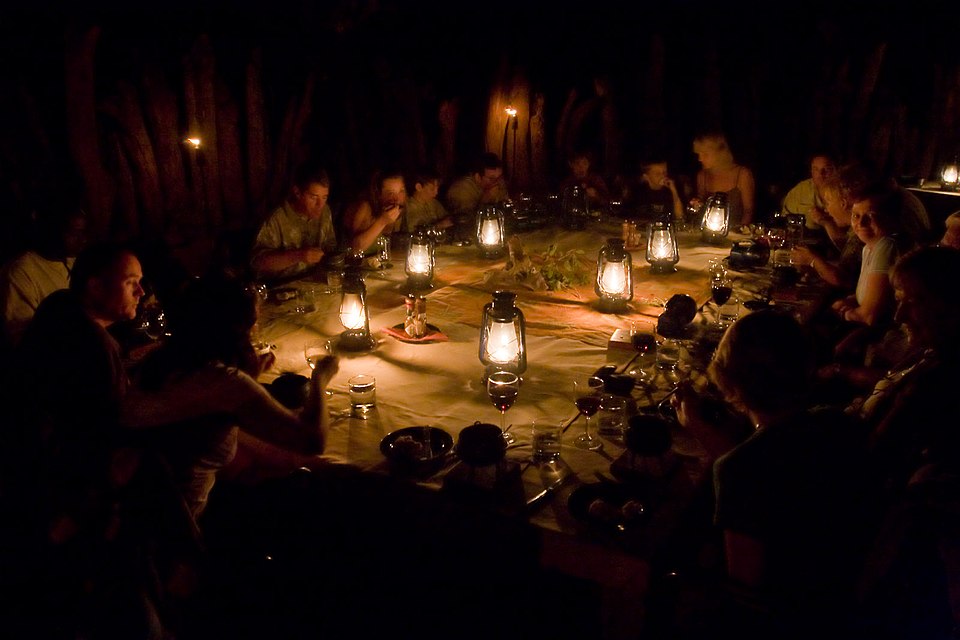
Arab America Contributing Writer Londyn Sewell
The Connection Between Eid and Hajj
Every year, Muslims around the world celebrate Eid al-Adha, one of the most important holidays in Islam. At the same time, millions of Muslims gather in Mecca, Saudi Arabia, to perform Hajj, the sacred pilgrimage that is one of the Five Pillars of Islam.
While these two observances are closely connected every year. Their overlap serves as a powerful reminder of the shared faith, traditions, and values that unite Muslims across the globe.
The Meaning of Eid al-Adha
For many people, Eid al-Adha (also known as Eid) is known as the Festival of Sacrifice. The story is central to Islamic tradition and teaches lessons about faith, trust, and devotion. Muslims honor this event through prayer, acts of charity, family gatherings, and sharing meals with loved ones and those in need.
At the same time, millions of Muslims are participating in Hajj, the annual pilgrimage to Mecca.Hajj is a once in a lifetime obligation for Muslims who are physically and financially able to make the journey.
Islam’s Sacred Pilgrimage
Pilgrims travel from countries across the world to perform a series of religious rituals that commemorate important events in Islamic history and strengthen their connection to their faith.
Although most Muslims are not in Mecca during Hajj, the timing of Eid creates a unique connection between those who are making the pilgrimage and those celebrating at home.
Whether someone is attending Eid prayers in Los Angeles, Cairo, Dearborn, or London, they are sharing in a moment that is being observed by Muslims across continents and cultures.
The Global Reach of Islam
This connection highlights one of the most remarkable aspects of Islam, its global reach. Muslims come from every racial, ethnic, and cultural background imaginable. They speak different languages, wear different clothing, and have different customs.
During Hajj and Eid, millions of people participate in traditions rooted in the same faith and history. Hajj is often described as one of the most meaningful experiences of their lives. Many spend years saving money and preparing for the journey. During the pilgrimage, people stand side by side regardless of nationality, social status, or profession.
The experience emphasizes humility, equality, and devotion. For many, it is an opportunity to reflect on their lives and strengthen their relationship with God.
Meanwhile, Muslims celebrating Eid at home often gather with family and friends after attending morning prayers. Children receive gifts, families prepare special meals, and communities come together to celebrate.
Many people also donate food, money, or other resources to those in need. Reflecting the holiday’s emphasis on generosity and compassion.
Shared Values Across Continents
While the experiences of a pilgrimage in the Mecca and the family celebrating at home may look very different, they are connected buy the same values. Both Hajj and Eid encourage reflection, gratitude, sacrifice, and service to others. They remind Muslims that faith is not only about personal worship but also about caring for others outside of yourself.
In a world that can often feel divided by politics, geography, and culture, the overlap of Eid and Hajj offers a different perspective. It is a moment that demonstrates how a shared faith can bring together people from vastly different backgrounds.
A Muslim family celebrating Eid in Southern California may have little in common with a pilgrim traveling from another part of the world, yet both are participating in traditions that have connected generations of Muslims for centuries.
The intersection of celebration and pilgrimage also highlights the importance of community. For Muslims, religious observances are often experienced collectively. Whether gathering for prayer, sharing a meal, giving to charity, or supporting loved ones, these traditions strengthen bonds between individuals and communities.
They serve as reminders that faith is practiced with community rather than in isolation.
A Worldwide Moment of Unity
Muslims around the world will mark the occasion in different ways. Some will be walking through the sacred sites of Mecca. Others will be celebrating in mosques, community centers, and homes thousands of miles away. Yet despite the physical distance, they remain connected through shared beliefs, traditions, and values.
When celebration and pilgrimage intersect, the result is more than a religious observance. It becomes a global moment of unity. It is a reminder that faith can transcend distance and cultures. Bringing people together through common acts or worship, celebration, and service to others.
For millions of Muslims, Eid and Hajj are not separate events. They are combined experiences.
Want more articles like this? Sign up for our e-newsletter!
Check out our blog here!