

Subscribe
to receive news by email

Poll
Will the Trump Administration Shift U.S. Policy in Favor of Palestine?
- No (86%)
- Yes (14%)
 Loading ...
Copyright © 2026 Arab America
Go topCitronnade: A Tunisian Summer Staple
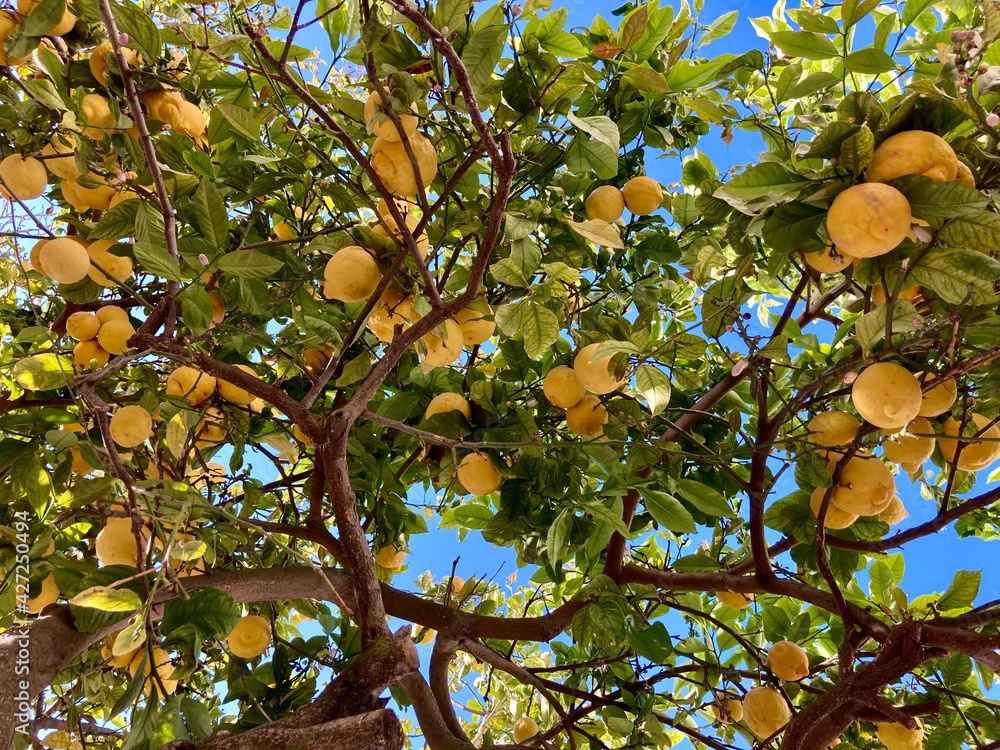
Photo Credit: Adobe Stock Images
By: Nadia Boughanmi / Arab America Contributing Writer
Tunisian lemonade, referred to as “citronnade” within the community, is a refreshing yet slightly bitter drink for the scorching summer heat. After a hot day spent walking and shopping in the Medina, located in the capital city of “Tunis,” it is extremely common to find shops and stands selling citronnade. It is the perfect way to cool down, have a conversation and embrace a small part of Tunisian culture. Many may think of “lemonade” as a universal beverage that is typically drunk on a hot summer day, but unlike the Western concept of lemonade, Tunisian citronnade shows the uniqueness of the nation.
Tunisian citronnade is a different world of flavors, with a much more tangy, almost bitter taste due to the lemon peels also being included in the making. It also has floral notes from the commonly added z’har (orange blossom water). To a new set of taste buds, the mixture of strong citrus from the whole lemon, the bitterness from the peel and the floral notes may seem “intense,” but to Tunisians, this is the core staple of our palettes.
The Reflection of Tunisian History (Origins and Significance):
Citronnade is a product of the melting pot of cultures within Tunisia. It has roots from the Amazigh, where you can find the same “lemonade” in regions in Algeria and Morocco. As well as the mediterranean influence with mint commonly added to the beverage. All of these roots blend together to create the perfect beverage to beat the heat of the summer.
Tunisia has a very warm climate, in which lemons can grow in abundance. Lemons are the center of so much Tunisian cuisine: in desserts, being served on the side of “Mechoui” or barbecue, in salads, and finally the main star of citronnade. With the amount of lemons available it almost “made sense” that citronnade had come to be. Especially during the hot summer months, citronnade can be found almost anywhere, from the Medina, to cafes, restaurants and even in Tunisian homes across the globe.
Tunisian’s are widely known for their long history of hospitality, being a welcoming and bright culture. How does citronnade relate to that you may ask? Well, citronnade is a staple when it comes to hospitality. It is served to guests, friends, and visiting family. It is enjoyed with an assortment of sweets and drunk over loud and joyous conversations. During the May through September months, visiting a Tunisian family almost always means enjoying a glass of citronnade, served while catching up about the business of life.
A Unique Speciality
Citronnade is an extremely defining beverage for Tunisians. Using the entire lemon: skin, juice and pulp, gives it a distinct taste that is unique from others. The traditional lemonade is much lighter, sweeter and “water-like,” while citronnade is much more fragrant, “bitter,” slightly thicker and overall has more complex notes.
Unlike the typically sugary lemonade, citronnade also has its health benefits. The large amounts of vitamin C and antioxidants are linked to immune health. It also serves as a hydrator for hot days. Additions of fresh mint aid digestion, and crushed almonds aid in preventing blood sugar spikes after meals. Since it is typically prepared with lower amounts of sugar, it is also a substitute for the typical soft drinks, like Boga and Fanta drunk by Tunisians.
Recipe:
Serves 4-6
- 4 large lemons
- 4 cups of water
- ¾ cup of sugar (more or less sugar to personal taste)
- 1 tablespoon of orange blossom water (optional)
- Fresh mint leaves (optional)
Steps:
- Wash lemons and peel them, keep the peel of two lemons and discard the rest. Cut the lemons and discard the seeds.
- Put the peeled lemons into a bowl and put ¼ cup sugar with a bit of water and mix. In a separate bowl put the peels, ¼ cup sugar with a bit of water and mix.
- Put in the fridge and leave the lemons in the sugar mixture for 2-3 hours.
- Add the lemons, peels, and 4 cups of water into the blender. Blend until liquified.
- Strain the access pulp out: recommended to strain around 2-3 times.
- Add the strained liquid back into the blender and add the last ¼ cup sugar (or however much you feel is necessary for personal level of sweetness) and a tablespoon of orange blossom water (optional).
- Put into a pitcher and refrigerate or serve over ice (optional to add fresh mint leaves or crushed almonds).
Saha صحة! (Enjoy!)