

Subscribe
to receive news by email

Poll
Will the Trump Administration Shift U.S. Policy in Favor of Palestine?
- No (86%)
- Yes (14%)
 Loading ...
Copyright © 2026 Arab America
Go topCaught Between War and Diplomacy: The Arab World Faces Another Dangerous Crossroads
By Aziz Hellal / Arab America Contributing Writer
A few weeks ago, it felt like the Middle East might finally get a brief pause from the headlines. That quiet didn’t last long.
In Egypt, a drone hit a gas vessel at Damietta Port—a jarring reminder that even countries sitting on the sidelines aren’t safe from the spillover. Over in Jordan, Iranian missiles targeted a U.S. base, pulling another neighbor directly into the firing line.
The developments reflect an increasingly uncertain moment for the Middle East. One day brings talk of negotiations and de-escalation; the next brings new missiles, drone attacks, and warnings of retaliation.
Right now, the region feels stuck in a exhausting loop. One morning brings reports of ceasefire talks, and by the evening, another drone strike dominates the news. As Washington and Tehran keep trading threats and Arab leaders scramble for diplomacy, people across the region are left wondering the same thing: are we actually heading off a war, or just waiting for the next strike?
The Conflict Is Expanding Beyond Iran
For the first time since fighting broke out in February, the violence surrounding the regional conflict has reached Egyptian territory. A drone hit a gas carrier at Damietta Port along the Mediterranean coast, raising fresh uncertainty for a country that had largely managed to stay outside direct military exchanges. Tehran officially denied any involvement in the strike.
It wasn’t an isolated incident. Within days, Iranian missiles targeted a U.S. base in Jordan, another strike landed in Kuwait, and Saudi Arabia launched retaliatory raids against Iran-backed militias in Iraq.
While the Gulf and Levant have been dealing with the fallout for months, the Damietta attack proves the conflict’s footprint is still growing—and no Arab nation is completely out of range.
A Region Stuck Between Escalation and Diplomacy
Right now, no one in the Middle East knows what to expect next.
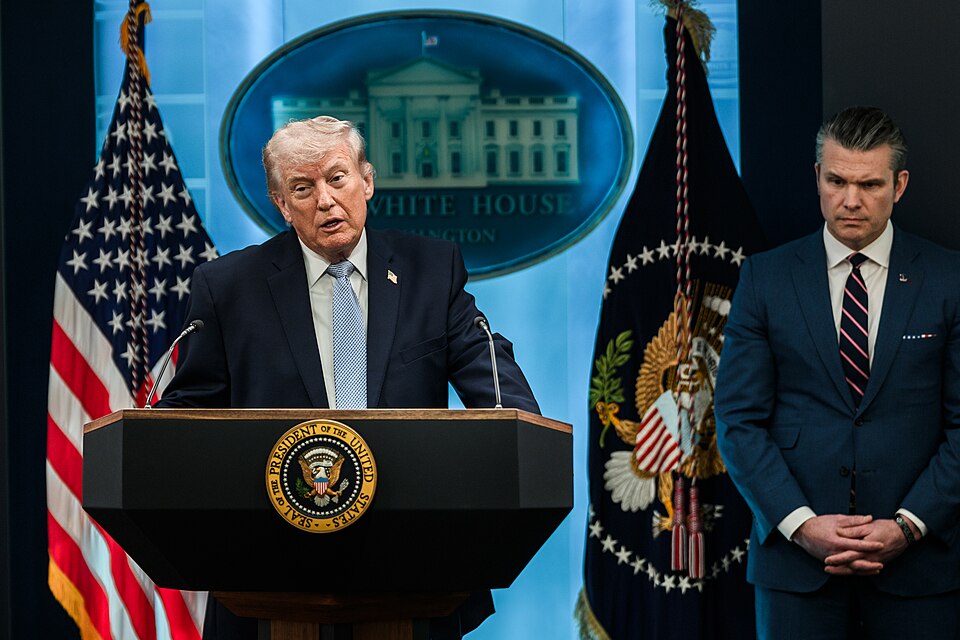
One day, President Trump warns of massive new strikes against Iran; the next day, those strikes are called off to give last-minute diplomatic talks another chance. But on the ground, fresh drone attacks, missile launches, and threats of retaliation keep proving how fragile those talks really are.
That back-and-forth puts neighboring Arab countries in an exhausting position. Diplomacy isn’t completely dead, but the threat of a wider conflict hasn’t gone away either. For ordinary people across the region, every breaking news alert or diplomatic statement feels like it could pull everyone right back into war.
For Arab governments, this constant uncertainty makes planning for the future almost impossible. Whether it’s protecting trade routes, keeping tourism alive, or stabilizing inflation, leaders from Cairo to Amman are stuck in survival mode. They can’t move forward with major economic plans or regional projects when a single overnight strike can upend everything they’ve built.
Arab Leaders Want No Part in a Wider War
Behind the military alerts and official statements, one message from the Arab world remains clear: nobody in the region wants a full-scale war.
From Cairo and Amman to Riyadh and the Gulf, national priorities have shifted heavily toward economic survival over the last few years. Billions of dollars have gone into building up tourism, expanding trade ports, and trying to pull local economies out of inflation. A major conflict threatens to erase that progress overnight—wrecking shipping lanes, scaring off foreign investors, and spiking energy costs for ordinary citizens.
That is why diplomatic phones haven’t stopped ringing. Even when countries like Egypt or Jordan have to respond to strikes near their borders, their leaders keep pushing Washington, Tehran, and international mediators for a political deal. For these governments, staying out of the fire isn’t just about diplomacy; it’s about keeping their societies afloat.
Looking at the map today, it’s almost impossible for Arab states to stay on the sidelines of a war taking place around them. Even governments doing everything they can to champion diplomacy are still having to intercept missiles, secure their ports, and prepare for worse days ahead.
Whether these last-minute diplomatic talks work out or fail, the takeaway is hard to ignore: a direct war between the U.S. and Iran will never be fought in a vacuum. If things boil over, the fallout won’t just stay in Washington or Tehran—it will be felt, once again, across the entire Arab world.
Want more articles like this? Sign up for our e-newsletter!
Check out our blog here!





.jpg)