

Subscribe
to receive news by email

Poll
Will the Trump Administration Shift U.S. Policy in Favor of Palestine?
- No (86%)
- Yes (14%)
 Loading ...
Copyright © 2026 Arab America
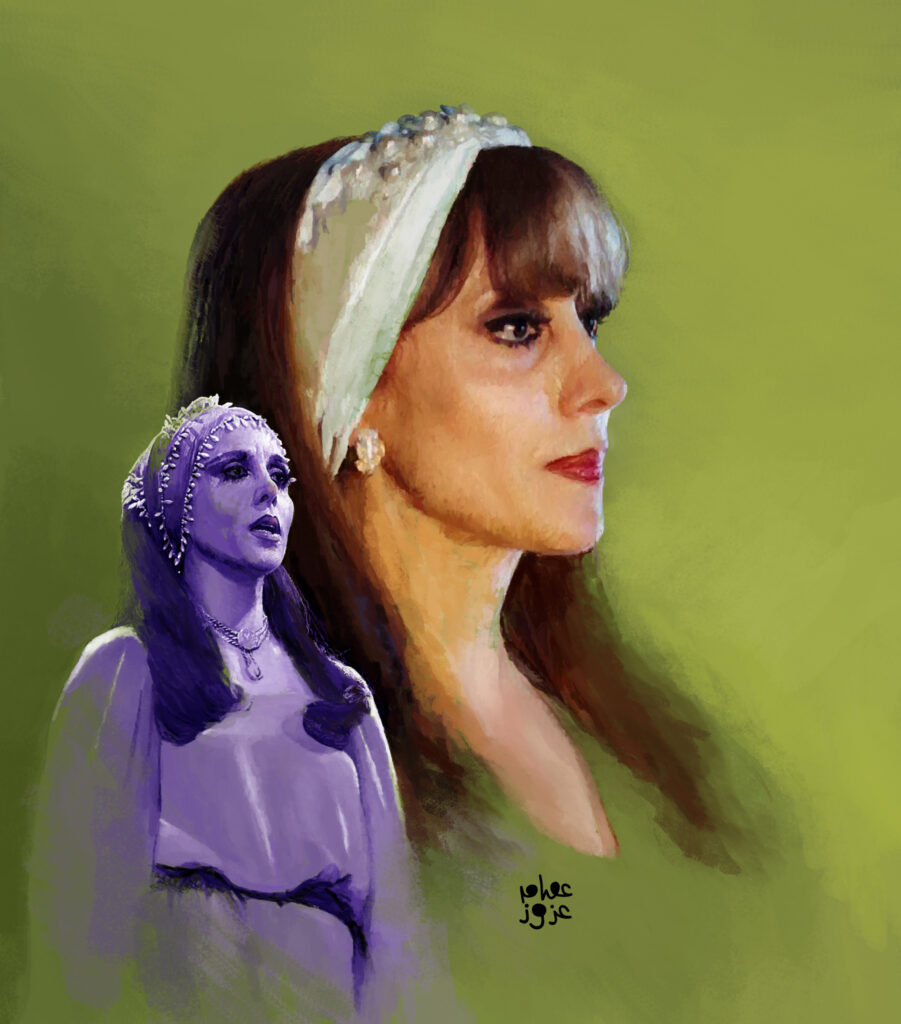
Go topThe Irreplaceable Fairuz and Ziad, On Fairuz’s Birthday
By: Sami Asmar / Arab America Contributing Writer
One of the greatest Arab singers of all times, Fairuz is now in her early nineties and is likely marking her birthday this month with sadness over the recent loss of her two children. She had two sons and two daughters with her husband ‘Assi Rahbani (1923-1986), of the Rahbani Brothers fame, and outlived three of them: Ziad (1956-2025), Hali (1958-2026), and Layal (1960-1988). Her daughter Rima Rahbani (b. 1965) currently manages her day-to-day business.
Fairuz’s seven-decade career spans the foundational phase of the Rahbani Brothers, considered the creators of the modern music of the Lebanese identity and the second phase of collaboration with her son Ziad Rahbani, who had a radically different style.
Despite the sadness of recent funerals for her sons, she can feel gratified that she remains not only very relevant to Arab and World music but truly an irreplaceable central pillar of contemporary Arab music. Neither Fairuz nor her son Ziad will fade into nostalgia for a very long time as she is considered by generations of people worldwide as the living benchmark of the identity in the Levant area, the Arabic-speaking Middle East. The daily morning ritual soundtracks on every national radio station in taxis, coffeeshops, house balconies, and work offices, is a reminder of that.
Additionally, she is considered the standard bearer for two different Arab musical genres, modern artistic as well folk songs. Her tremendous song catalog is the reference library for working and aspiring vocalists, composers, and lyricists. Due to the genius of the Rahbani Brothers, Fairuz accomplished a beautiful balance between traditional Arab maqamat musical modes and European orchestration and managed to move people through the span of sad love songs, patriotic chants, and energetic Dabke dance rhythms.
Politically, both Fairuz and Ziad, despite being in different partisan circles, were symbols of national unity in the eras of civil war and invasions by a neighboring country. Whenever there is a national upheaval of any sort, one finds the Lebanese people listening again to material from the extended Rahbani family seeking a sense of safety and unity. Fairuz’s voice is a shared asset across all sectarian lines.
The mother-son team have a shared musical legacy as they both altered the music scene with joint classics written by Ziad and sung by Fairuz like ‘A Hadir al-Bosta (Humm of the Bus), Kifak Inta (How are you) and Wahdon (Alone, lyrics by Talal Haydar). After the passing of ‘Assi, his son Ziad took over the bulk of writing and orchestration for Fairuz’s productions. Unlike his father and uncle Mansour, he moved away from the folkloric village scene of the Rahbani musicals first publicized in the Baalbak Festivals and explored jazz and other Western urban genres.
After an initial shock to Fairuz’s traditional singers, the pivot to Ziad’s style was accepted because Fairuz is loved universally. More recently, under Rima’s management, the trend in Fairuz’s releases has been rare symphonic-style concerts and many archival releases.
While Ziad’s early work outside the family collaboration engaged in the severe political satire he was famous for and which attracted younger audiences to him as the artist expressing their frustration, Fairuz avoided that and maintained a balanced political approach while working with her son the artist, not the satirist.
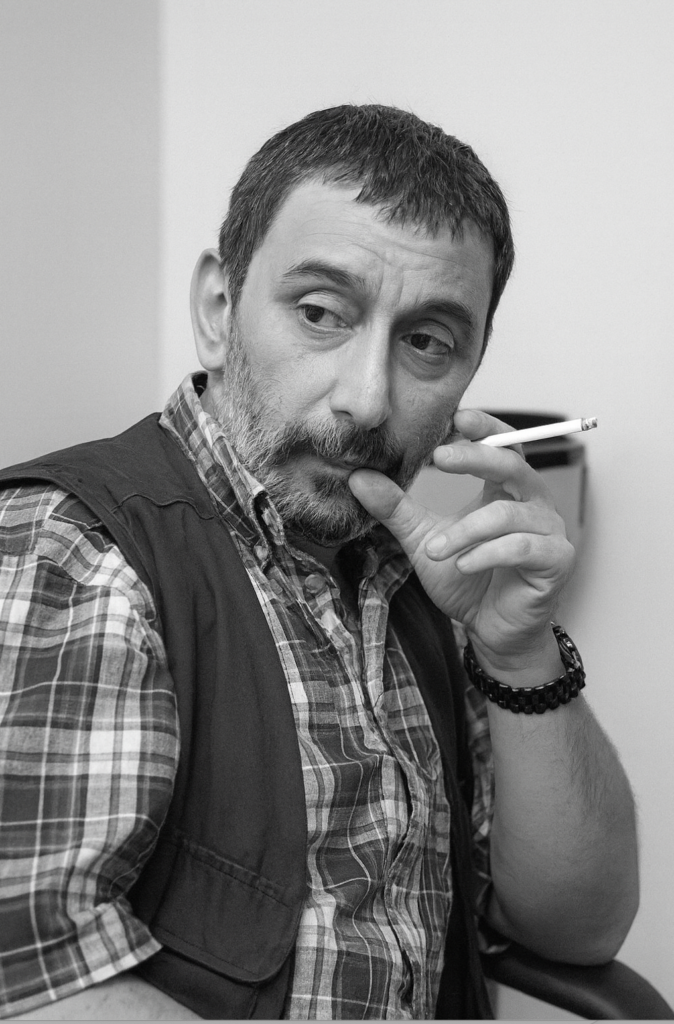
Ziad Rahbani passed away at the age of 69 and politicians from the entire spectrum, even the ones he criticized in his musical plays, attended his funeral to honor his mother. She sang a special hymn for him only to do that again a few months ago as her second son Hali died. This son was not known to the public as he had a serious handicap that let Fariuz to fiercely defend the family privacy to keep him out of the news.
The other branch of the Rahbani Brothers, the children of Mansour Rahbani, also prospered as talented working musicians. The relationship between the two branches, however, went through a turbulent period after Mansour’s passing over the rights to the Rahbani musical heritage. Legal suits were used to to attempt to stop Fairuz from performing songs exclusively without compensating Mansour’s children. This was settled and there seems to be good harmony between them, but this added to Fairuz’s sadness.
Happy birthday, our beloved Ambassador to the Stars.
See Sami Asmar’s article about Ziad Rahbani HERE
Sami Asmar is a writer and cultural commentator known for his expertise in Arab music. He is the Founding Director of Mawtini Choir and has contributed to Al Jadid magazine and other platforms. He promotes Arab musical heritage through essays, lectures, and advocacy across academic and artistic communities.
Want more articles like this? Sign up for our e-newsletter!
Check out our blog here!