Subscribe
to receive news by email

Poll
Will the Trump Administration Shift U.S. Policy in Favor of Palestine?
- No (86%)
- Yes (14%)
 Loading ...
Copyright © 2026 Arab America
Go topWhat's the Solution to Gendered Poverty in Jordan?
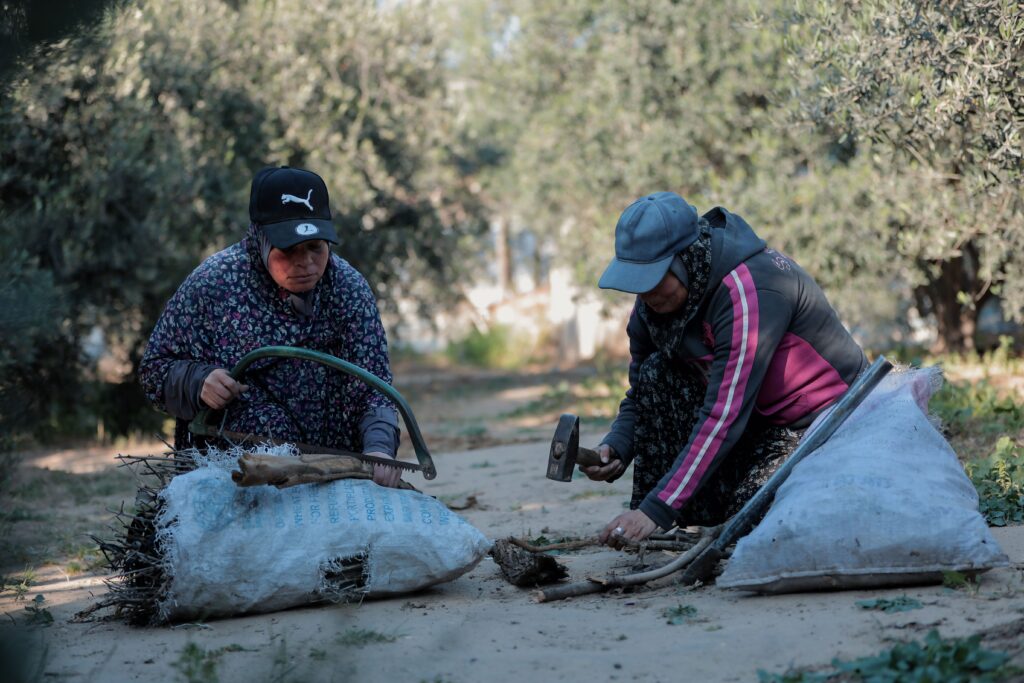
By Jahnvi Chopra / Arab America Contributing Writer
Background
Gender disparities plague societies all over the world. Often affecting the security, well-being, and success of women, it is one of the culprits behind the widespread imbalances in workforce makeup, resettled refugee populations, and groups living in poverty. Not to mention the global issue of gender-based violence (GBV), again primarily affecting women based on their gender, where women and girls of all ages face physical, sexual, psychological, and economic abuse.
Jordan is an example of a country that has deeply rooted patriarchal norms and economic hardship, as well as regional stressors of displacement. Altogether, these factors create a landscape that breeds opportunity for GBV, forcing mainly Jordanian and Syrian refugee women and girls into vulnerable situations.
Key Factors in the Humanitarian Crisis
Intimate partner violence (IPV) is driven by the stress of displacement within Jordan and the surrounding areas, which has resulted in a massive loss of employment for refugee husbands and young men. With this economic adversity, IPV rates have simultaneously surged, affecting women across the board.
Also negatively affecting girls and young women is early forced marriage, another result of economic hardship and traditional gender roles. Many families, especially Syrian ones in Jordan, face severe poverty and inaccessibility to work permits. As a result, a large number of them have resorted to marrying off young daughters under the guise of financial security.
When it comes to Syrian refugees and their residential life, the official camps like Zaatari and Azraq, created and designed to house displaced groups, are extremely disorganized. Jordan is home to over 1.8 million displaced people from Syria, which makes the task of housing them a challenge. Consequently, Syrian refugees are forced to reside in urban and rural host communities, perpetuating isolation that prevents them from connecting with each other and accessing adequate medical, legal, and social services.1
These factors together construct a series of systemic challenges that disproportionately harm women. With both unstable and separated living situations and economic hardship, Jordanian and Syrian women alike are susceptible to GBV and IPV.
The Solution
There have been countless humanitarian initiatives led to combat the inequality and poverty faced by minorities and women in Jordan, most notably the U.N. Women’s Oasis Program. Since 2012, U.N. Women has established 22 centers across Jordan to provide those in vulnerable situations with safe spaces, job training, and access to resources adapted to their unique circumstances.2
These centers are designed to be hubs spread across Jordan where women and girls can obtain a myriad of resources that can aid in their empowerment and independence. There, they can get specialized training in valuable skills like tailoring, hairdressing, etc., which are incredibly useful professions to have in the larger labor market. Women and girls can attend cash-for-work opportunities and in-depth workshops that span a few weeks to months, depending on the job they want. Additionally, the centers offer extensive childcare services, complete with on-site nurseries and child education opportunities available to mothers daily. This service not only facilitates the mothers’ journey to independence, but it supports the child by establishing the importance of education early on in childhood.
The hubs are more than a factory that churns out a skilled workforce, however, because they take a holistic approach when it comes to empowering women and girls. With the emotional and mental burden of trying to navigate economic and financial instability alongside often unsafe home lives, many women struggle with handling it on their own, and even more so for refugee Syrian women. That’s why the centers also provide counseling and therapy services that seek to assist women and girls who need an outlet for their personal affliction.
The Fight Isn’t Over Yet
A lot has changed already with this initiative alone, with over 30,000 people gaining access to and benefiting from these services.3 Countless women and girls, including many with disabilities, have been able to develop their skills, begin financial literacy training, serve as the leaders of their families, and so much more. Women’s independence has become a bigger priority across the globe, and its relevance will only continue to grow.
These services are needed more than ever. Though gender disparities are issues that affect everyone, GBV remains one of the largest problems women face in Jordan and globally to this day. Syrian women are becoming a larger part of the Jordanian workforce, as the number of female-head households is rising exponentially over the last few years. As previously stated, obtaining work permits proves to be difficult for Syrian men, but the chances are much slimmer for Syrian women. In 2017, the U.N. found that only 3 percent of work permits issued that year were given to Syrian women, proving that much progress has yet to be made.4
Want more articles like this? Sign up for our e-newsletter!
Check out our blog here!