Subscribe
to receive news by email

Poll
Will the Trump Administration Shift U.S. Policy in Favor of Palestine?
- No (86%)
- Yes (14%)
 Loading ...
Copyright © 2026 Arab America
Go topHow Chicago’s Parking Meters Became Connected to the UAE
By: Susie Hayes/Arab America Contributing Writer
Chicago’s Historic Parking Meter Deal
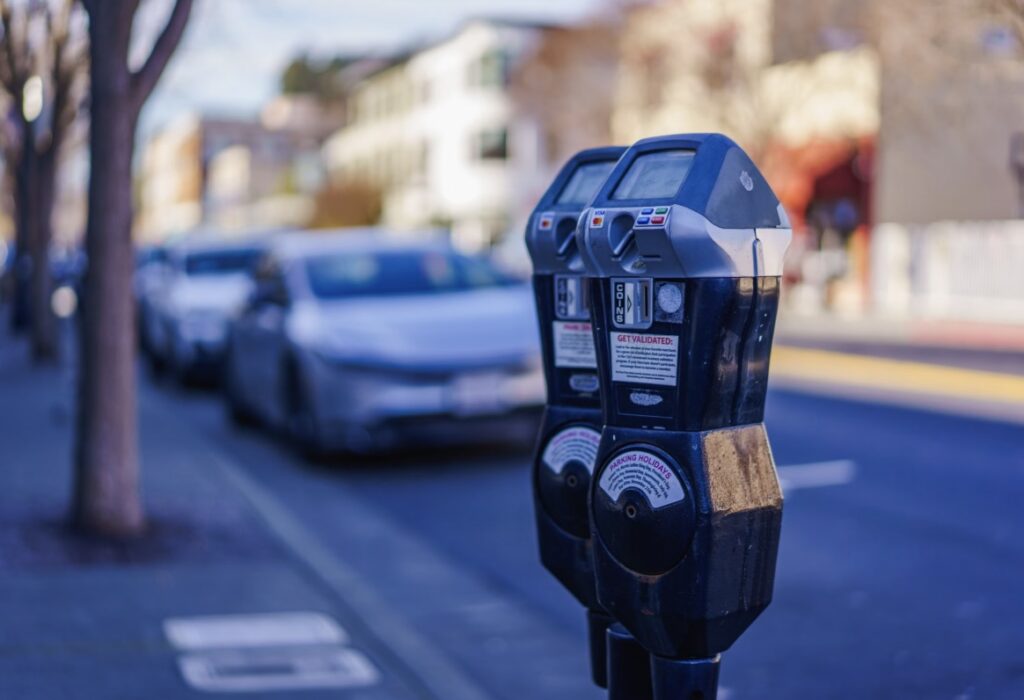
In 2008, the city of Chicago made one of the most controversial financial decisions in its history when it leased its parking meter system to a private investment group for 75 years. The agreement gave the city $1.15 billion during the height of struggle, but it also stirred a long debate over whether a public asset like parking should be privatized for financial relief. Today, the deal is still scrutinized and brings up questions of finance, privatization, and international investments since one of the largest investors is the Abu Dhabi Investment Authority, one of the largest wealth funds of the United Arab Emirates.
Did Chicago Actually Sell it’s Parking Meters to the UAE?
Many headlines will claim that Chicago sold its parking meters to the UAE, that does not necessarily describe the entire situation. The city did not directly sell their parking meters, instead, they rented them out in a sense to Chicago Parking Meters LLC, a private organization led by Morgan Stanley. Over time, the ownership of the situation changed and the ADIA became one of the group’s main investors. This is important to understand because the city still owns the parking meters, while these private organizations have the right to collect the money that comes from parking in Chicago.
Why Chicago Made the Deal?
The deal was introduced under Mayor Richard Daley who claimed that Chicago needed money, and they needed it fast due to financial struggles. The $1.15 helped fix some of those problems and reduce the debt. Supporters of the deal hoped that it would give the city financial flexibility without raising taxes or cutting certain services.
The Public’s Reaction
However, the criticism around the agreement heightened right after the deal was made. Almost immediately, parking prices increased greatly. Additionally, parking enforcement grew and prices became more aggressive. Many Chicagoans wondered if the city had given away decades of their revenue in exchange for a quick, one time payment.
Financial experts later claimed that the parking meter system could generate significantly more than what the city originally collected over the full 75 year lease. While specific estimates vary depending on assumptions about inflation and parking demand, critics claim that Chicago has underestimated one of their most reliable and valuable assets. The deal has become one of the most frequently mentioned cases highlighting the issues with privatizing public services.
The Role of Abu Dhabi
One reason that the agreement continues to be looked at is because of the participation of the Abu Dhabi Investment Authority. The ADIA manages billions of dollars in the interest of the Emirate of Abu Dhabi. Like many other wealth funds, the ADIA invests in real estate, infrastructure, stocks, and other assets that can provide a fairly stable return over a number of years.
Infrastructure assets like tolls, airports, and parking systems are an investment of interest because they produce a predictable, stable income. For the ADIA, Chicago’s parking meters gave way to an opportunity to invest in a solid, reliable income. For the investors, the deal fits with the ADIA’s strategy of gaining long term and stable assets internationally.
What the Deal Means for Public Facilities
The deal also highlights a common theme of the increasing global investment of certain infrastructures. Today, pension funds, insurance, and wealth funds continue to invest in infrastructure outside of their home countries. These deals provide governments with stable returns. Chicago’s privatization of their parking meters is just one example of this trend, even though it remains a controversial topic.
The Impact on Chicago
For many Chicagoans though, the controversiality has remained focused on its local impacts as opposed to international finance and relations. Because of this agreement, the city has the obligation to pay the operator when streets are closed for events like Lollapalooza, construction (which is never ending in the city), or other reasons that would reduce parking revenue. Many claim that the city is now limited to managing public streets because of this deal.
Supporters of the agreement argue that the city knew all of this information and accepted the trade offs for quick cash. They claim that governments have to make difficult decisions like this in order to gain funding for their citizens. Even if the deal benefited tax payers, it is still a topic of conversation for economists and policy makers.
Why This Deal Still Matters
Over 15 years later, Chicago’s privatization of their parking meters continues to be one of the most debated privatizations in the United States. While the city did not directly sell its meters to the ADIA, the deal highlights how local infrastructure can quickly become part of the international market.
Want more articles like this? Sign up for our e-newsletter!
Check out our blog here!