Subscribe
to receive news by email

Poll
Will the Trump Administration Shift U.S. Policy in Favor of Palestine?
- No (86%)
- Yes (14%)
 Loading ...
Copyright © 2026 Arab America
Go topTerrorism Jeopardizes the Hard-Won Momentum of the Palestinian Cause
By: Ghassan Rubeiz / Arab America Contributing Writer
At a great human cost, Palestinians have made some political progress. Three years of suffering in Gaza and across Palestinian communities have produced a historic shift in how Americans and the world see Israel. For the first time, large parts of the globe, including many Americans, recognize Israel’s occupation of Palestinian lands for what it is: a long-term settler-colonial project. They also see its human cost.
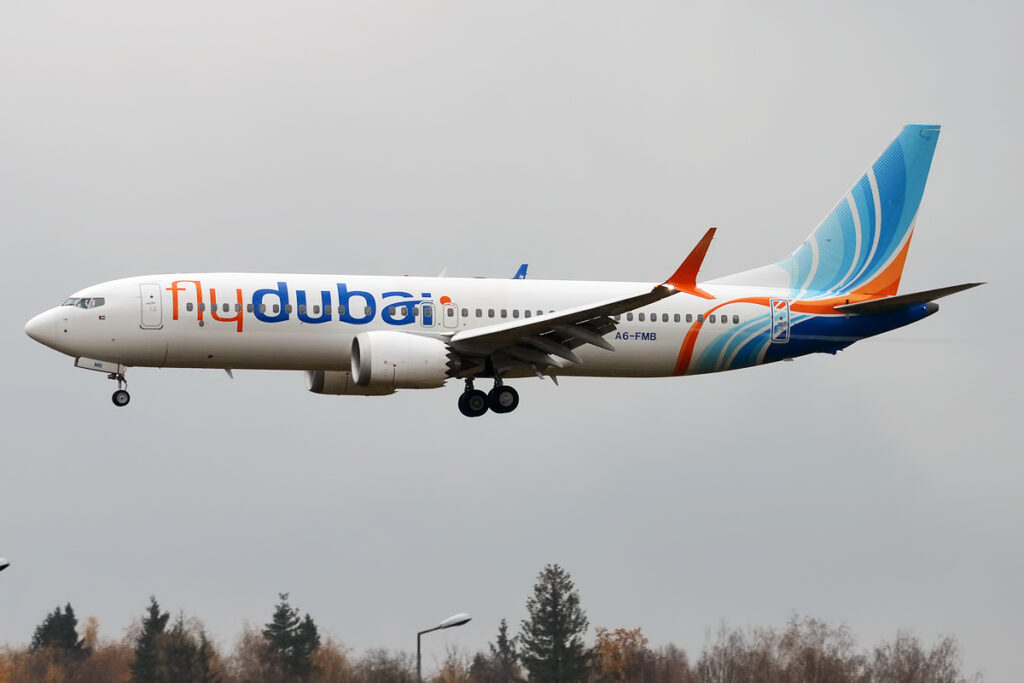
Then came September 30: On that day, an Omani co-pilot of flydubai Flight 1073, going from Dubai to Tel Aviv with more than 170 Israelis aboard, stabbed the pilot-captain and tried to crash the plane. Passengers overpowered him, and the aircraft landed safely in Saudi Arabia. Israel moved fast to define the act. “Jews were target in jet attack, Israel says,” ran the Washington Post’s front-page headline. An Israeli official said the co-pilot had “the motive to kill Jews.” But Palestinians are equally concerned.
Nothing justifies such an act. Whatever the attacker’s motive, the result is a gift to Israel’s hardliners. Like October 7, though on a far smaller scale and without loss of life, the attack hands them the story they want: occupation of Palestinian lands as protective necessity, not political choice. It lets Prime Minister Netanyahu present the incident as persistent hatred of Jews, obscuring a conflict left to fester for decades. It shifts the world’s gaze from Palestinian dispossession to Israeli victimhood.
The attacker was not Palestinian, and Palestinians bear no responsibility for what he did. Yet they may pay the price. They earned their moral ground through documentation, advocacy, and nonviolent resistance. Violence that others attribute to their cause puts it at risk at the worst possible moment.
The opinion shift recognizing Palestinian rights is palpable and momentous. For decades, American and Western media were not sufficiently sensitive to the suffering of Palestinians or to the brutality of the occupation. That is changing. Human rights reports, global media, and firsthand documentation have made Gaza, the West Bank, and East Jerusalem visible in ways unimaginable twenty years ago.
Americans now see the injustice. The question is whether they will connect what they see to what unconditional support for Israel costs them before attacks like this one give Washington an excuse to look away again. Those costs are concrete. Financially, under a 2016 agreement, Washington committed $38 billion in military aid to Israel over ten years, even as the national debt climbs. Morally, Christian Zionism in America and Religious Zionism in Israel have fused theology with hyper-nationalism, lending divine sanction to settlement and to the denial of a Palestinian state. When theology denies another people’s rights, every faith is diminished. Politically, Netanyahu and Trump share a populist hostility to courts, the press, and institutional checks. In March 2025, the administration invoked emergency authority to rush about $4 billion in arms to Israel, bypassing congressional review. Diplomatically, America is losing ground. A Pew survey of 36 countries this spring found a median of only 35 percent saying the United States contributes to global peace and stability. In 2025, Britain, France, Canada, and Australia recognized Palestine. Washington’s closest allies are moving on without it.
For Palestinians, the flydubai attack is bad news. Terrorism does more than endanger lives. It disrupts an emerging consensus that the status quo is untenable and that Palestinians deserve political rights and security. It hands every hesitant politician an excuse to wait.
Americans know more about Israel’s treatment of Palestinians than at any time in modern history. That knowledge must now lead to political pressure. Citizens should ask their representatives for three things. First, to condition military aid on compliance with US law and international humanitarian law. Second, to oppose settlement expansion and annexation in practice, not just in statements. Third, to support American recognition of a Palestinian state. None of these demands is radical. Several of America’s closest allies have already acted on them.
Those who claim to defend Palestine through unlawful violence betray the cause they invoke. Only creative civil resistance can carry the shift forward. For Americans, the time to act is now, before the momentum is lost. And Israelis should recognize that illegitimate territorial gain through occupation and annexation buys them little, if any, security.
Ghassan Rubeiz is the former Middle East Secretary of the World Council of Churches. Earlier, he taught psychology and social work in his country of birth, Lebanon, and later in the United States, where he currently lives. He has contributed to political commentary for the past twenty years and delivered occasional public talks on peace, justice, and interfaith subjects. You can reach him at rubeizg@gmail.com
The views and opinions expressed in this article are those of the author and do not necessarily reflect the position of Arab America. The reproduction of this article is permissible with proper credit to Arab America and the author.
Want more articles like this? Sign up for our e-newsletter!
Check our blog here!