
Subscribe
to receive news by email

Poll
Will the Trump Administration Shift U.S. Policy in Favor of Palestine?
- No (86%)
- Yes (14%)
 Loading ...
Copyright © 2026 Arab America
Go topThe Fight for Clean Energy in Tunisia
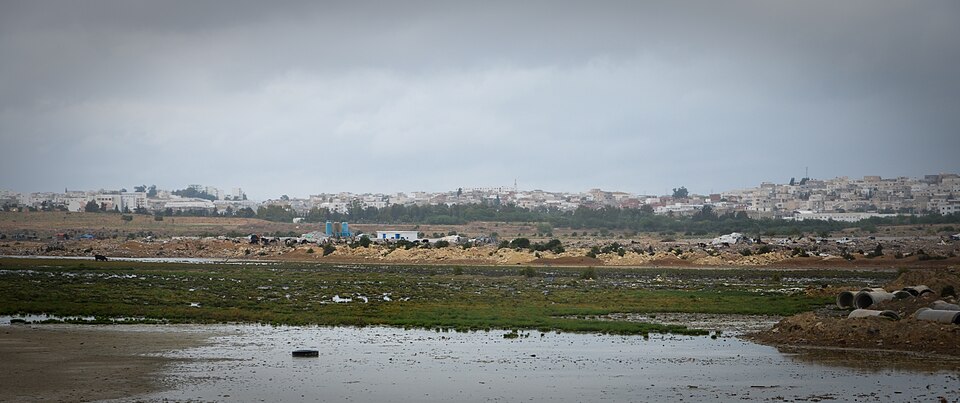
Photo Credit: Wikicommons
By: Nadia Boughanmi / Contributing Arab America Writer
Pollution, climate change, fossil fuels: current and important topics that have been taking the globe by storm in recent years. These topics have been extremely prevalent in Tunisia for the past year. Trash on the sides of the road, polluted bodies of water and chemical waste being dumped near residential areas have taken center stage in the political sphere of Tunisia. Citizens of residential areas have reported health issues that can be linked to the same chemical waste that was dumped by corporations.
Outrage sparked and the Tunisian people did what they knew best. They protested and acted in resistance to the government. Tunisians are very outspoken and successful in resistance, leading the 2011 Arab Spring. They are demanding that the government and corporations take a clean energy stance and minimize the pollution in residential areas, to prioritize the health and safety of the people.
Gabes
Pollution causing energy sources have gained great criticism in recent times. This has been an on-going issue for Gabes in particular. From the 1960s-the 1970s, when Tunisia had gained independence, the government began to industrialize. Gabes had been removed off tourist destination lists for the country, and the chemical complexes began to arise
It was once a beautiful oasis that had a lot to offer. Beautiful beaches that melted into the desert on the other side of the city. An abundance of fish and other seafood had been readily available for the people living in Gabes as well. However, this beauty had taken a turn, when the complexes became larger and gained more “power” in the city.
Gabes is one of the most affected areas by pollution and has been the strongest in protests for clean energy and a clean environment. State-owned phosphate had been dumped in the coastal city, causing both polluted air and water. The chemical complex in the city has also been significantly adding to the pollution within the area, and of course the broader country.
300 cases of suffocation due to chemically polluted air have taken the city by swarm. The northern point of Gabes, is considered to be the most affected. Which is where the chemical complexes stand. The complexes emit phosphogypsum, which affects the water sources. Phosphate gases and ammonia have also been released into the air. These gases are known to cause cancer, burn one’s lungs and even kill someone. Yet, they are being released into inhabited areas of the city.
Hundreds of people in the area have lost loved ones due to lung cancer or other respiratory diseases that are caused by these harmful chemicals. The city is becoming difficult to live in, due to the immense pollution caused by the chemical complexes. The people of Gabes and Tunisia as a whole have not remained silent. They have begun to fight for their right to a clean environment with clean energy.
Resistance
Since October of 2025, Tunisian citizens have begun to push back against the government and the chemical complexes. Protests first broke out in Gabes. People who had lost loved ones over the pollution and even people who had not been directly involved, took to the streets to mobilize their opinion.
They pleaded and demanded that the government should take accountability and find cleaner energy sources to use. Rather than the usage of harmful chemicals and fossil fuels. Having clean energy sources links to a healthier living environment because ammonia will not fill the air and phosphogypsum will not contaminate the water source. Young children and the elderly are at the most risk for poisoning and even death. So, people have taken that idea to the protests. They started framing this as an issue of “protecting the children and future generations.”
2,500 protestors in Gabes and hundreds more in the capitol city of Tunis had flooded to the streets to fight for what they believe is right. Many were even seen crying and pleading outside the parliamentary office because they were exhausted from fighting and living in unhealthy conditions.
Even though there hasn’t been much movement from the chemical complexes yet, the fight has just begun for the Tunisian people. Change takes time and not giving up is what creates that change, an idea that the Tunisian people know well.
From fighting for democracy as a whole, to fighting for energy democracy, Tunisian’s are well versed in resistance against ideology that no longer suits them.
Want more articles like this? Sign up for our e-newsletter!
Check our blog here!